Background —
I’d had a long-standing relationship with Ministry of Sound, working across a range of strategic and design projects for the overall business and record label. Although I hadn’t been directly involved with the nightclub itself, I was acutely aware of its cultural significance. During a conversation with the founder, I suggested that the time might be right to reinvigorate the club brand, which had gradually slipped from its historic position of relevance.


Project —
For a long period, the wider business had been driven by the success of the record label. Following its sale to Sony, the club had an opportunity to rediscover its own personality, but struggled to articulate who it was or who it was for. The creative output had become generic and inconsistent, and the venue increasingly felt like a blank canvas. More a home for other brands’ activity rather than a brand in its own right. Internally and externally, it had lost clarity and confidence.
With the closure of so many London nightclubs, there was less direct competition for a venue of this scale. What no other space could replicate, however, was the weight of history and cultural credibility that Ministry of Sound carries. It felt like a missed opportunity for the club to be quietly ticking along rather than asserting itself again.
The work was carried out under tight constraints. There was no significant budget driving the project; instead, we relied heavily on internal resources and careful prioritisation. In many ways this echoed the original spirit of dance music culture, which was resourceful, DIY and raw, rather than the polished commercial machine it later became.
The underlying problem was not simply tired visuals, but a lack of any coherent visual identity being presented to the world. Marketing materials were created by external promoters, resulting in wildly varying styles. The website was an out-of-the-box template, simply aggregating this inconsistent artwork. Social channels were little more than noticeboards for event listings, with no editorial voice or sense of play.
Research revealed that younger London clubbers had little understanding of what Ministry of Sound actually was. Where awareness existed, it was shaped by exposure to compilation albums on television and in supermarkets, creating a perception of the club as hyper-commercial and culturally irrelevant. Far removed from its pioneering roots.
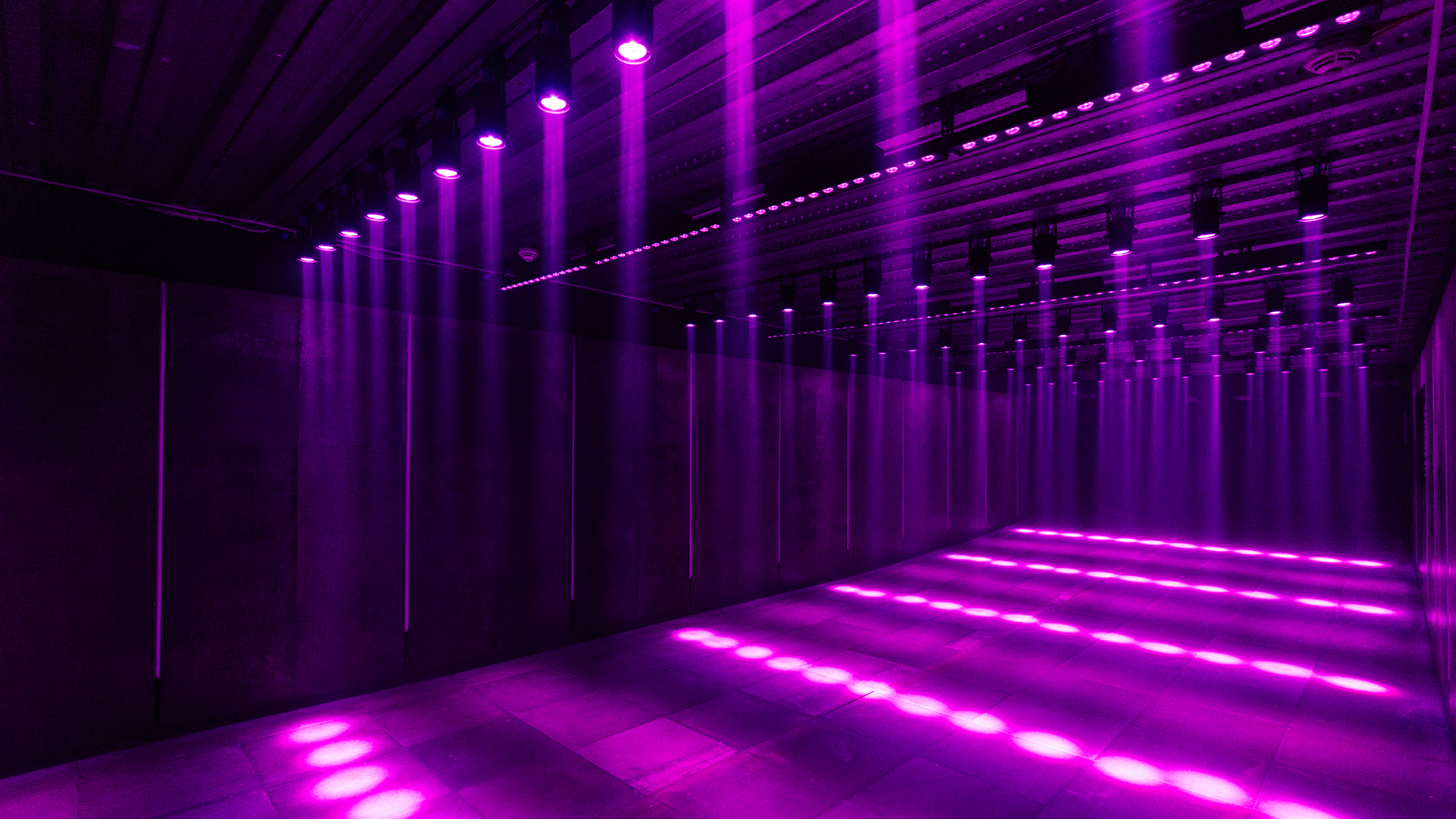
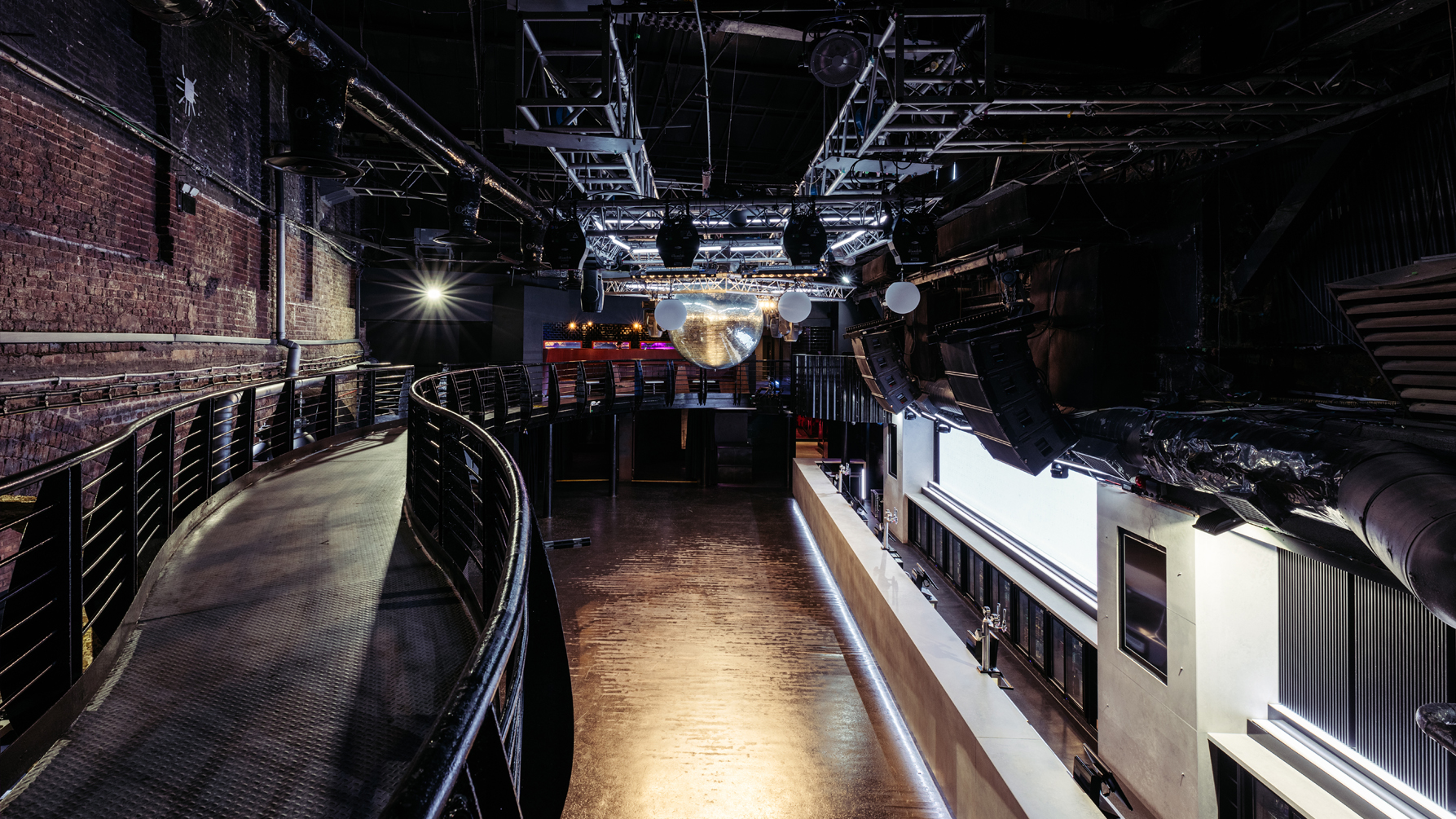
The reset began with the space itself. Rather than redesigning the club, the approach was to undesign it; stripping interiors back to their industrial origins, removing decades of accumulated coverings, and investing instead in lighting and overall experience. New architectural interventions were deliberately limited to industrial materials such as steel and concrete, directly referencing the club’s early years. A brand new VIP room was designed by A-Nrd Studio that also used these materials as a foundation, balanced with premium finishes.
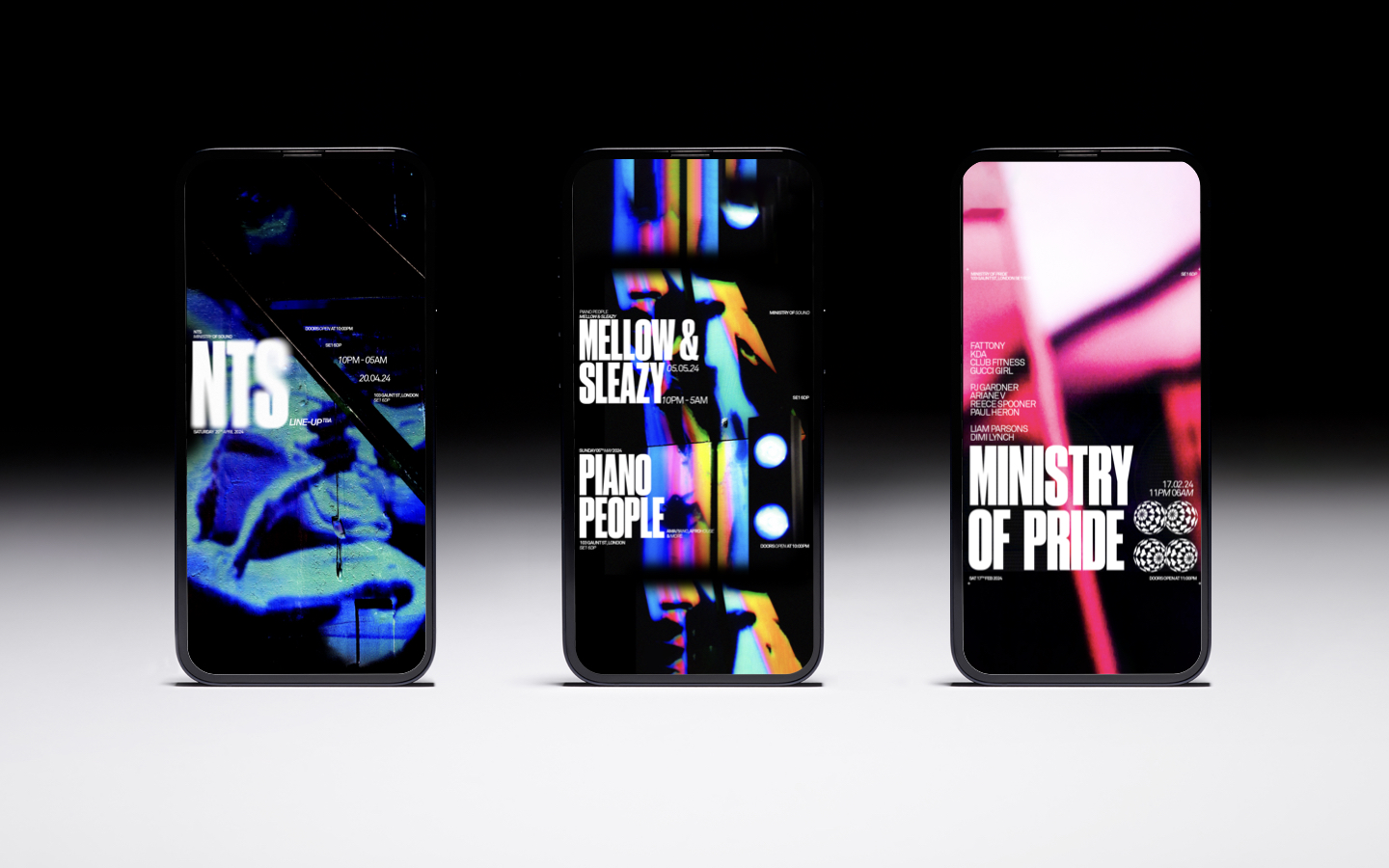
In parallel, I worked closely with the in-house creative team to establish a clear and distinctive approach to communication. One simple directive underpinned everything: the club itself had to be visible. Photography and video should treat the building as a set, a place where activity happened, rather than an anonymous backdrop. We documented the raw fabric of the space and used it as the basis for event promotion, which in turn developed a more narrative-led layer, with stories built around the nights rather than simply a list of DJ names repeated for weeks. This was also coupled with an increased use of creative technology to produce more unusual and engaging content.
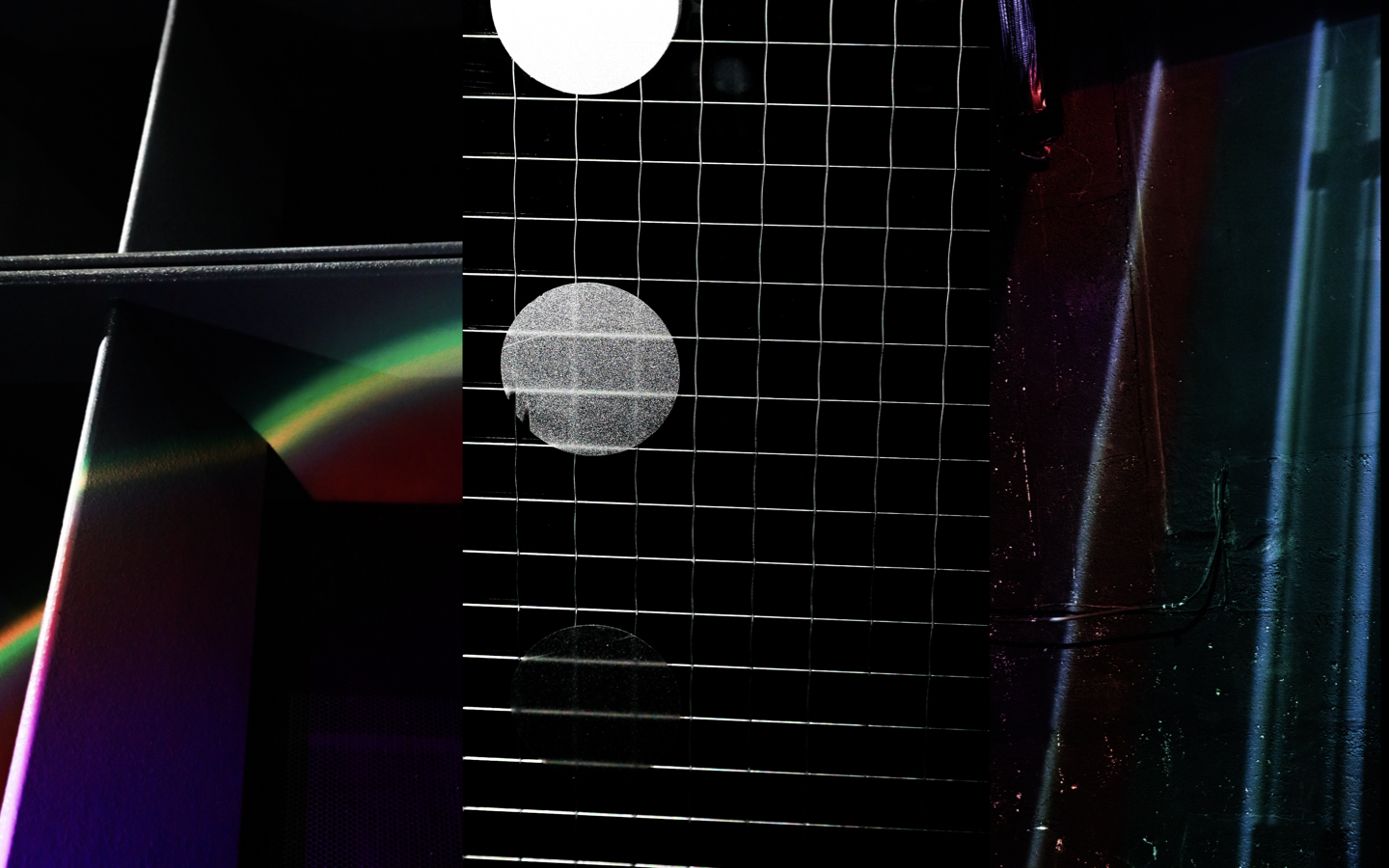
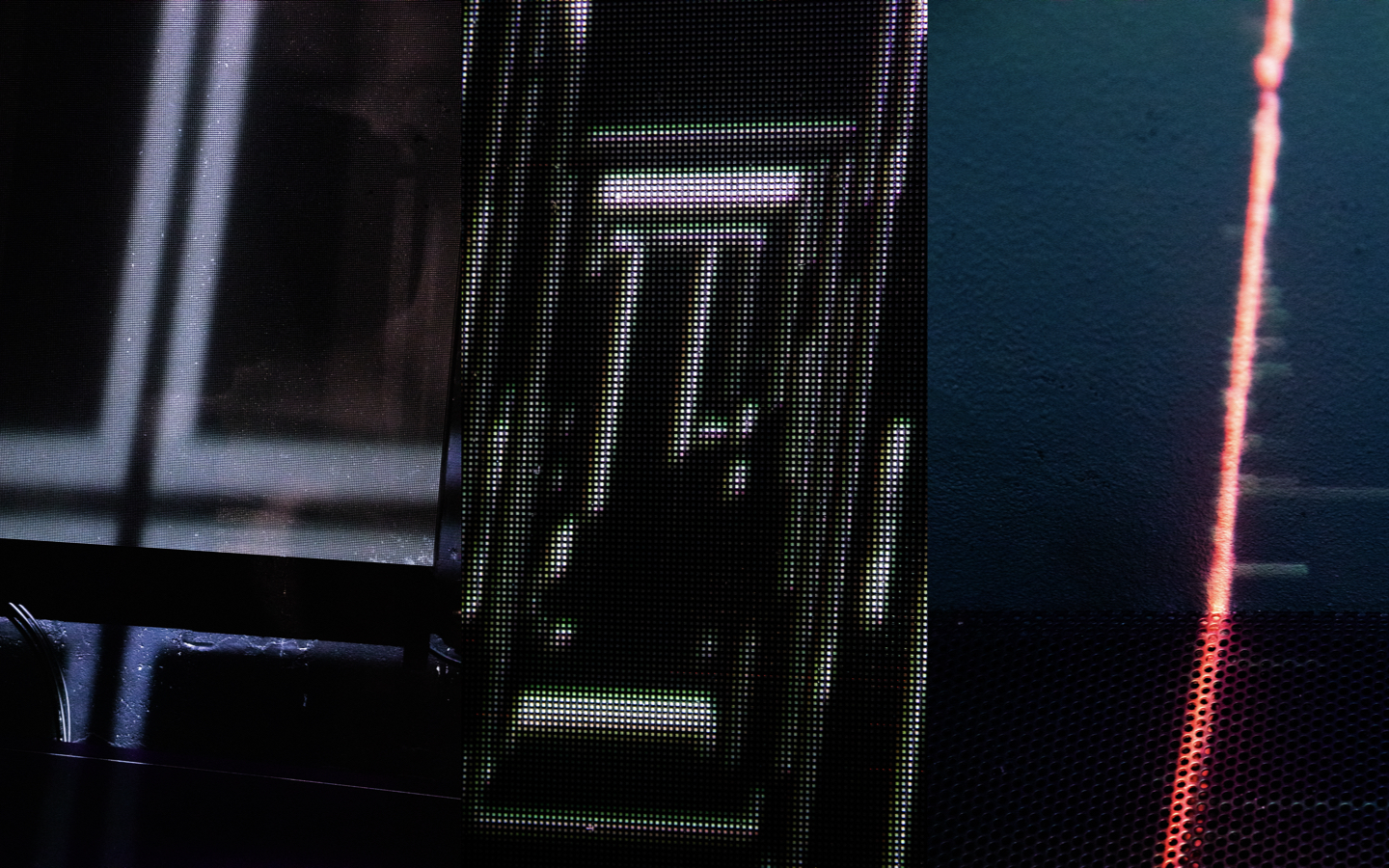
We commissioned artist Galen Bullivant to create ambient content for social channels, giving him free rein to use the building as a canvas. This material helped move the channels away from functional listings towards a more editorial approach, with video playing a far greater role.

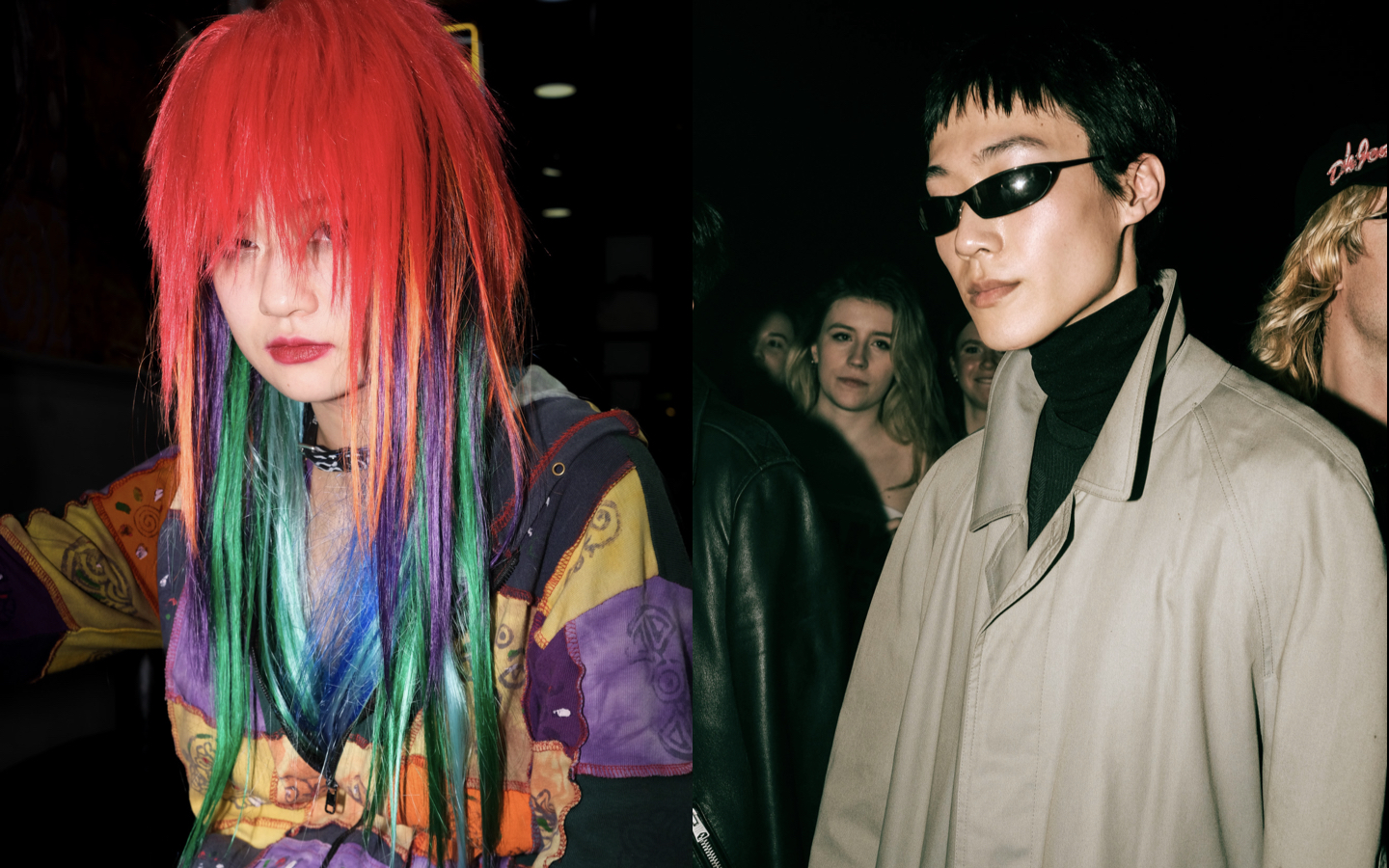
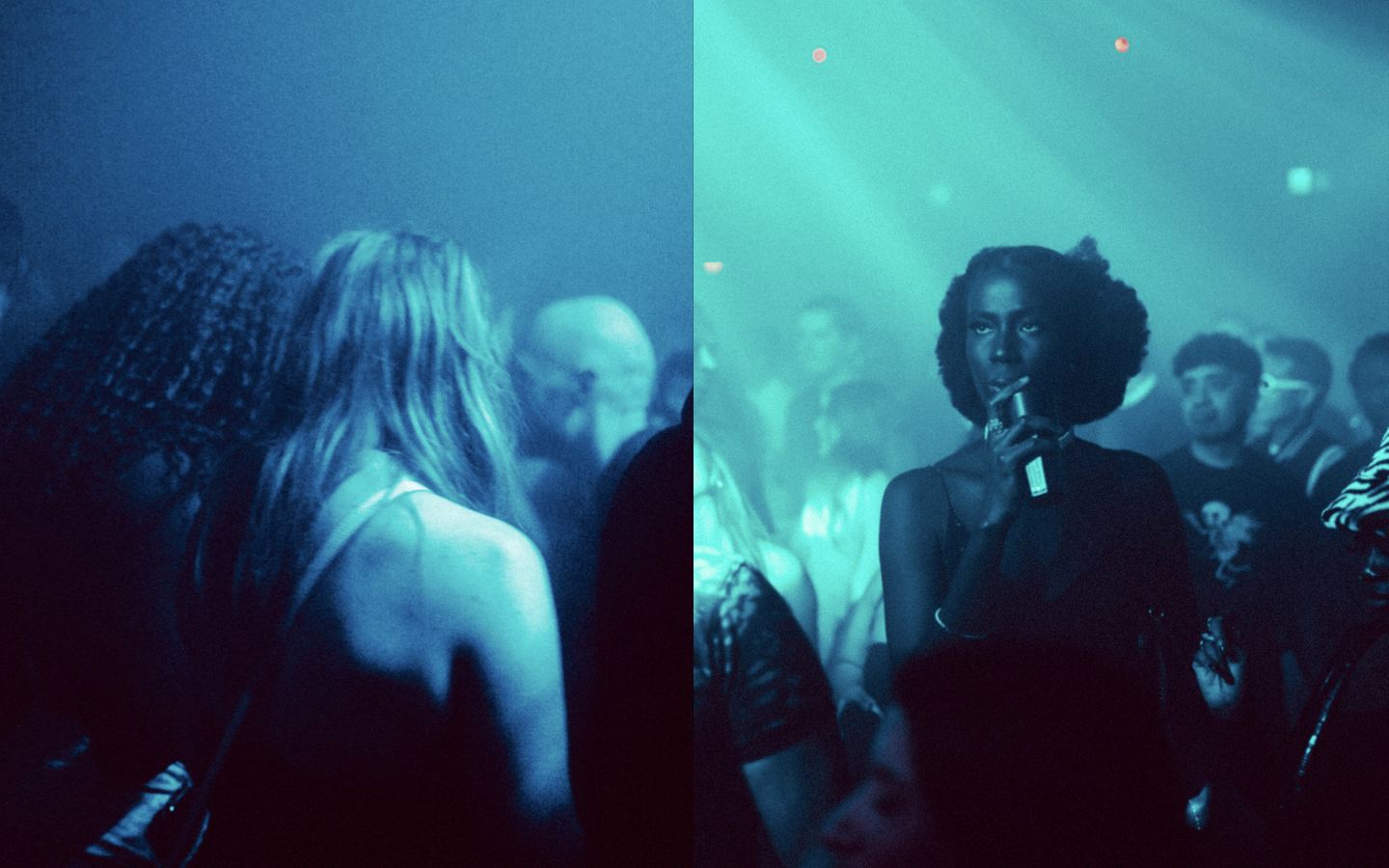
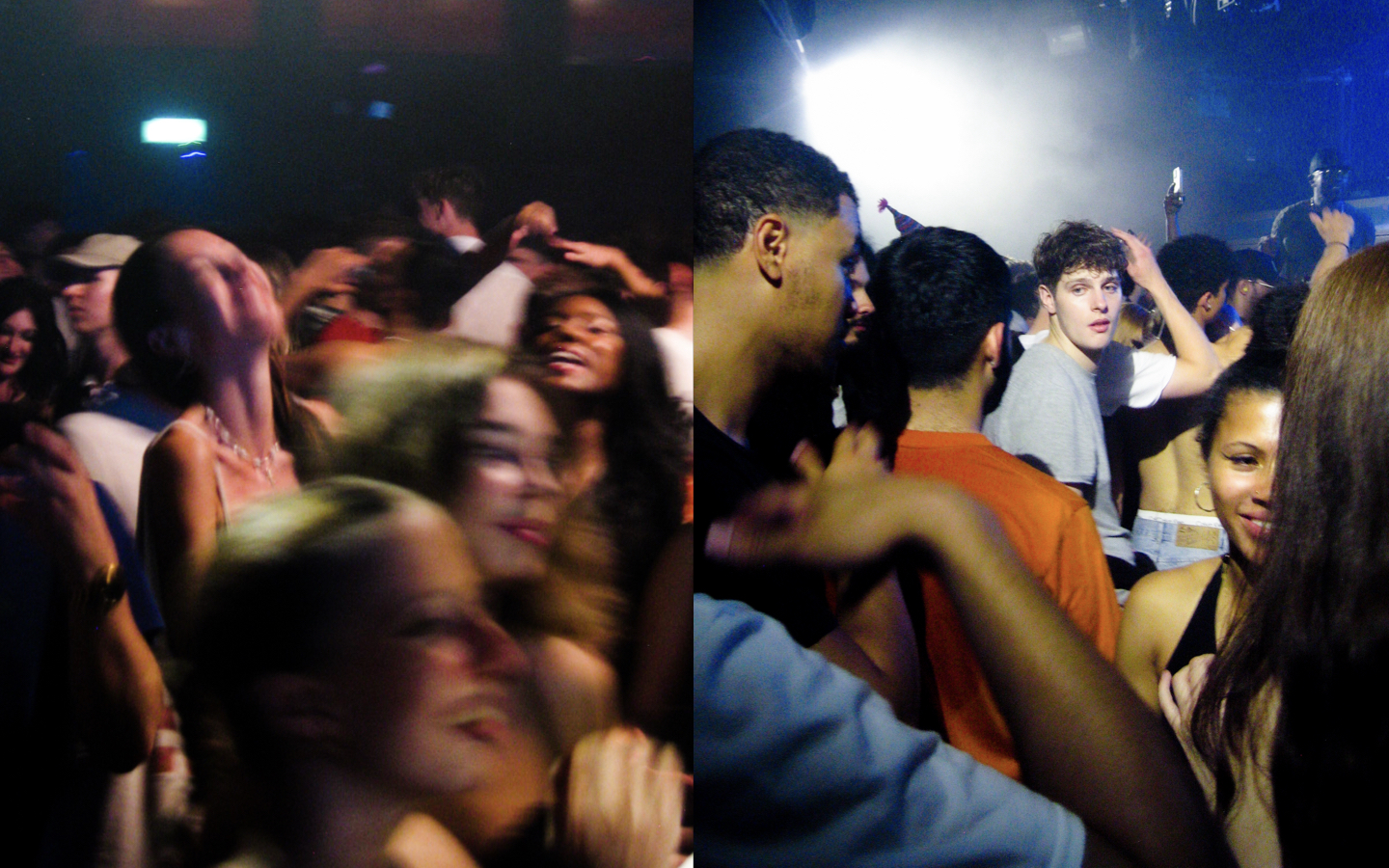
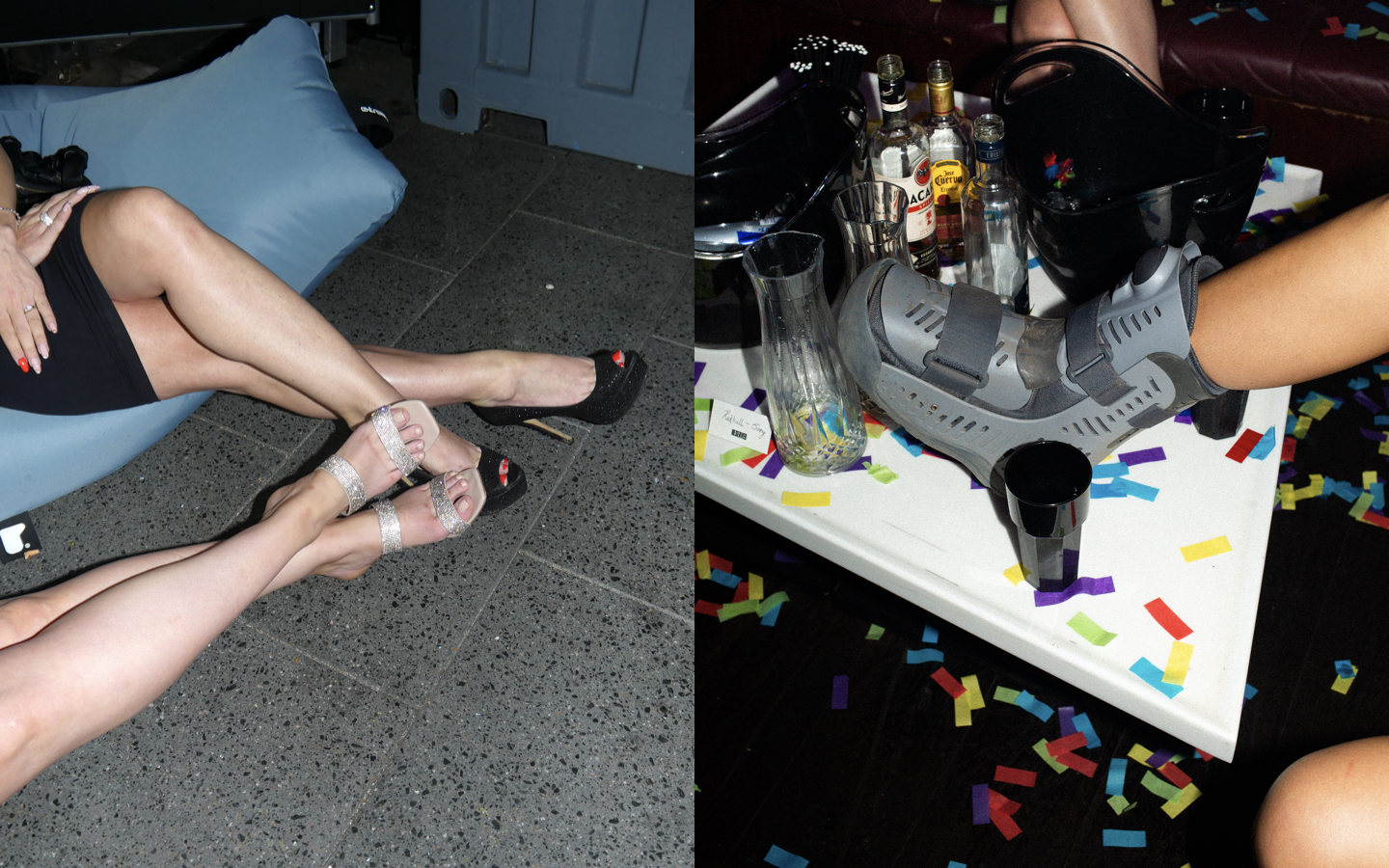
Photography and film moved away from generic shots of DJs and indistinguishable crowds, which was imagery that could have belonged to any club, anywhere, and instead focused on the people. We worked with a new generation of photographers and filmmakers, giving them the freedom to capture clubbers in ways that celebrated their diversity, character and individuality, and more honestly reflected the strange, joyful and chaotic nature of a night out.
Simon’s input to our business has been truly invaluable. His rare combination of intelligence, creativity and clarity has resulted in us achieving a significantly stronger understanding of our brand and has directly translated to commercial success.
Working with him is rewarding, instructive but always enjoyable and in my opinion his abilities within this area are unmatched.
Alongside this, I led a redesign of the website, making it mobile-first, analytics-led and far more attuned to how people actually discover events and buy tickets.
We also developed a brand campaign, working again with Galen Bullivant, that positioned the club as a place of escapism, using the building itself as the central motif.
The result was a complete refresh of how the club looked, sounded and behaved. The brand became more contemporary, more self-assured and better aligned with the audience it wanted to speak to. That work continues to underpin the club’s output today, enabling it to evolve with confidence.
The club returned to the radar of London audiences and began attracting DJs and artists who had previously disengaged. Tellingly, Travis Scott, entirely unprompted, appeared wearing a Ministry of Sound T-shirt in a music video. This would have felt implausible just 18 months earlier.