Background —
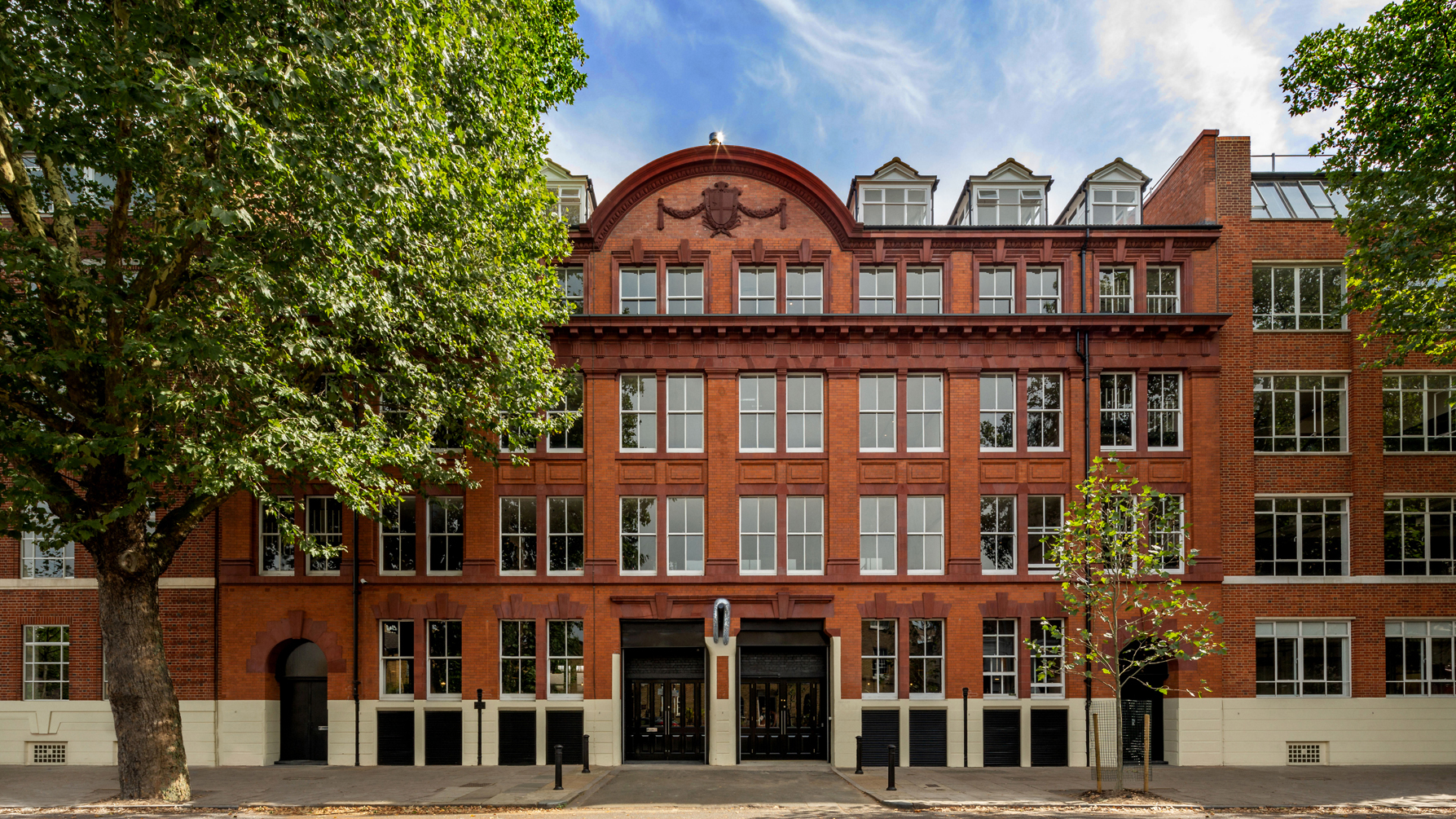
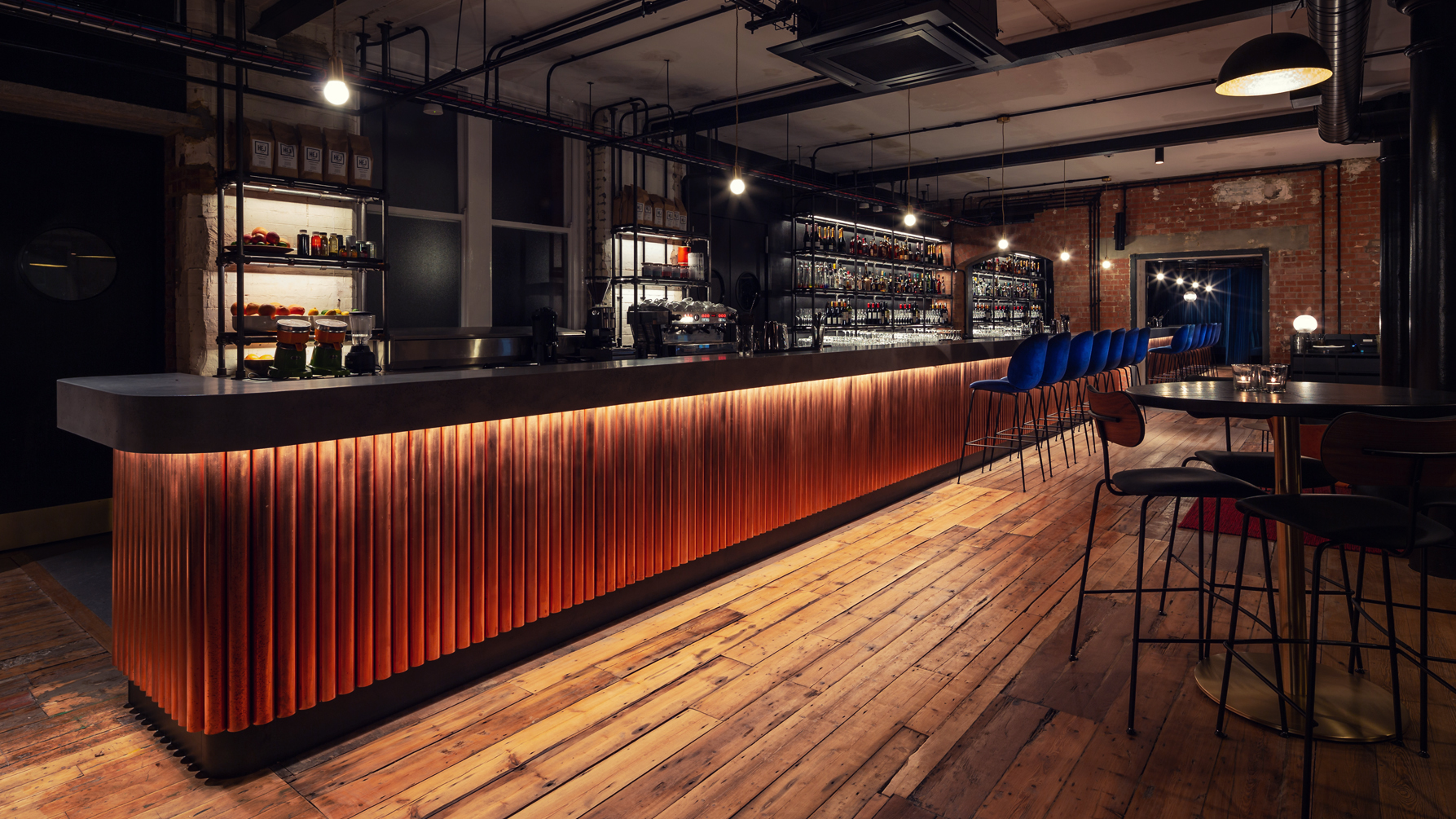
The Ministry is a hospitality-led shared workspace and members’ club in London. The first site is a 50,000 sqft building over six floors that includes a bar, deli, gym, fitness studios and event space.
I was asked to get involved in the project from the outset and oversaw the entire creative execution.
Project —
Following the sale of their record company to Sony Music, Ministry of Sound began investigating the possibility of embarking on this completely new business. The central challenge, therefore, was to take a brand well-known within one specific industry and help it make sense in a totally new and unrelated one.
In order to do this, I felt the new venture needed to link to Ministry of Sound in a deeper, fundamental way but be strong enough to stand on its own.
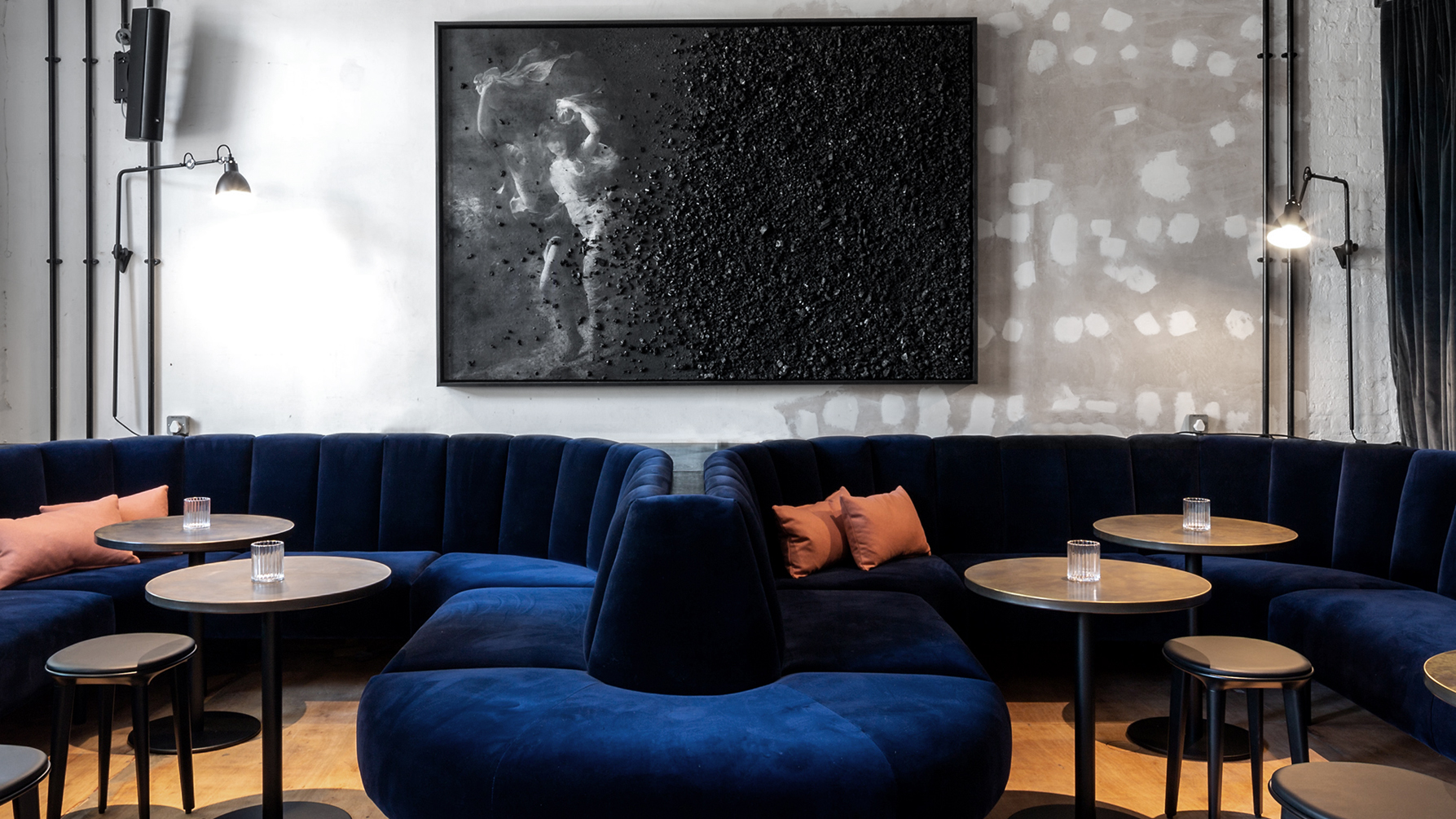
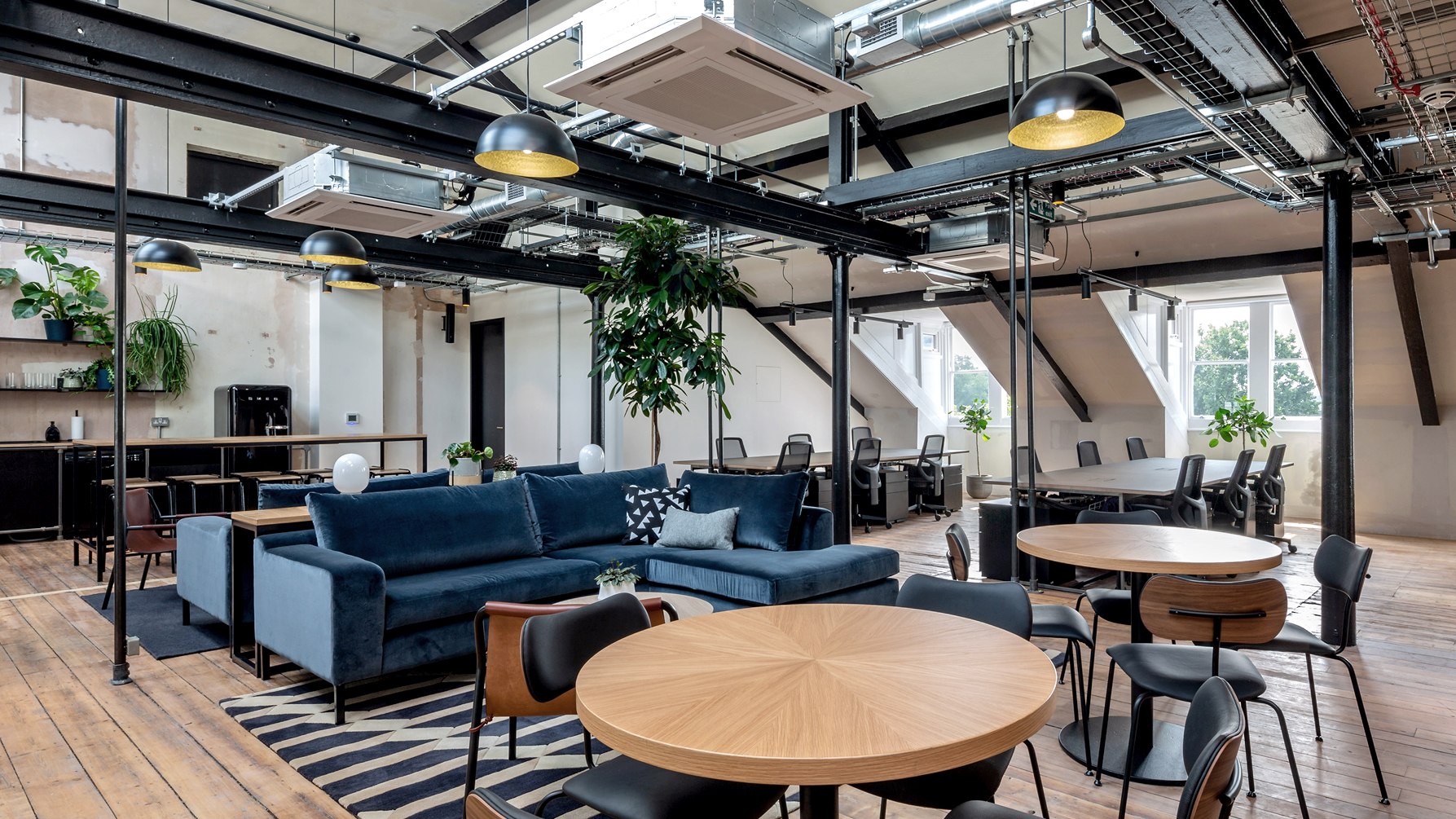
The solution I put in place was a clear creative strategy, informed by the aesthetic heritage of Ministry of Sound, that would be used as a touchstone for all decisions - from interiors to design collateral.
Referring back to this agreed strategy throughout reduced the time spent deliberating what was right and wrong whilst eliminating subjective opinions - ensuring the process moved with speed and consistency.
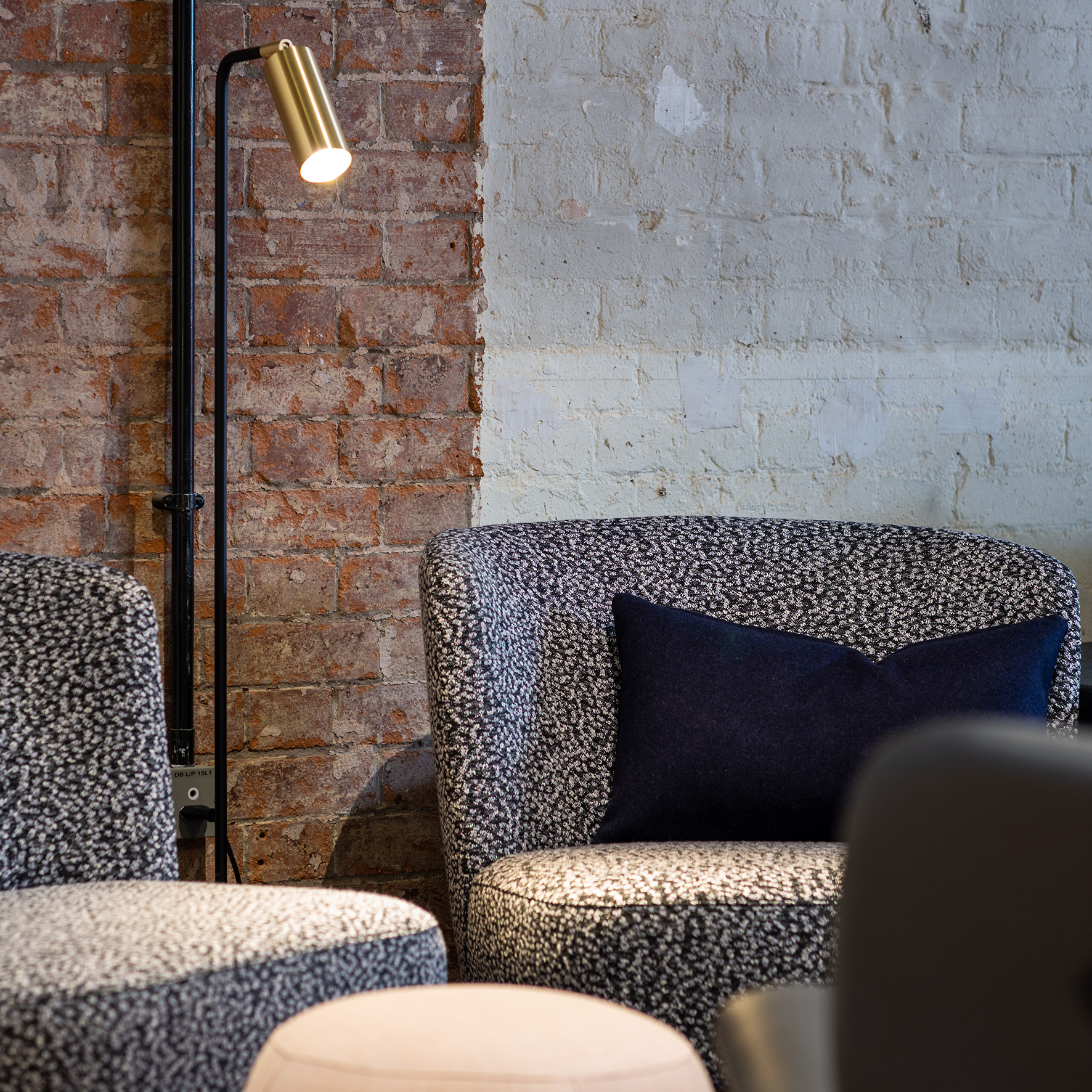
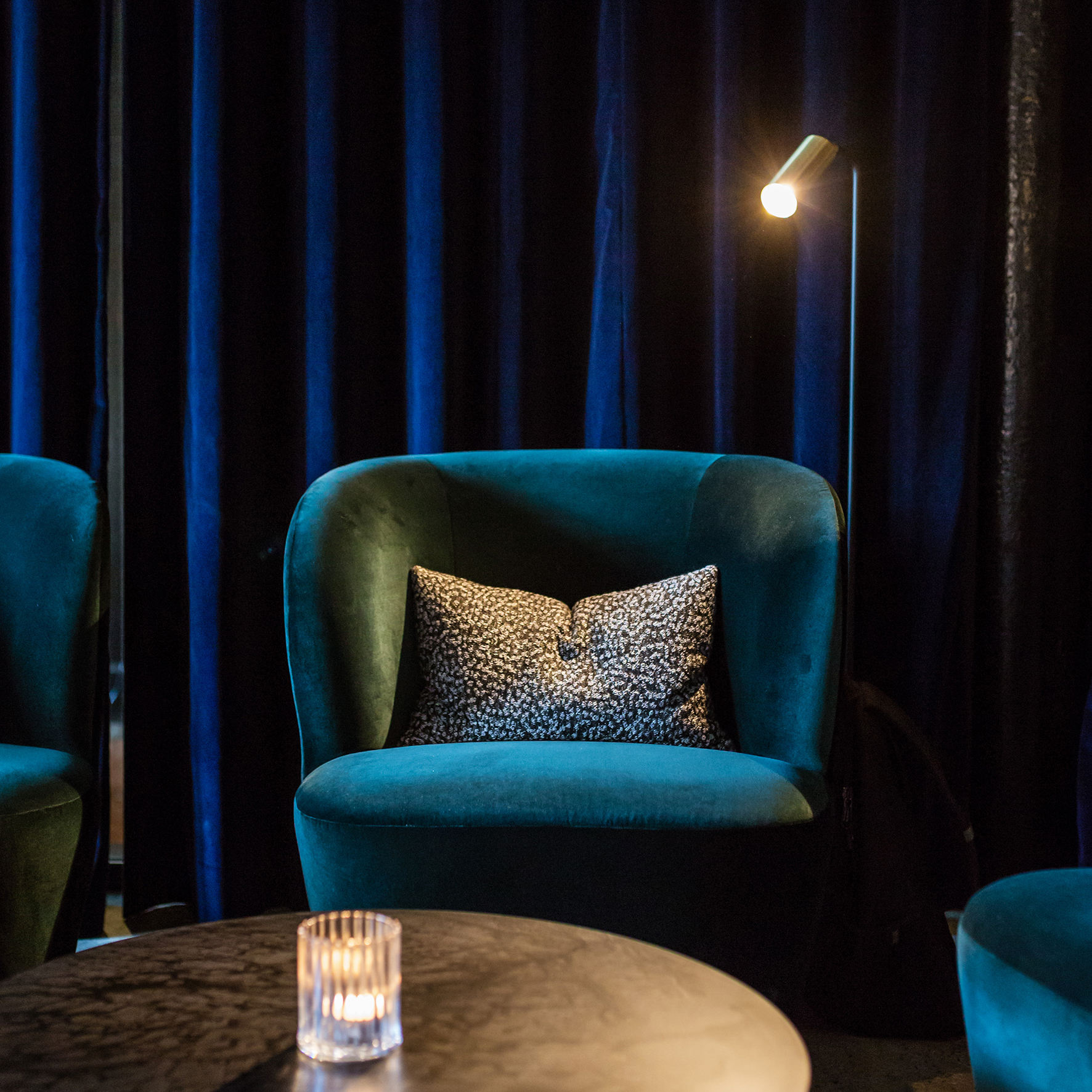
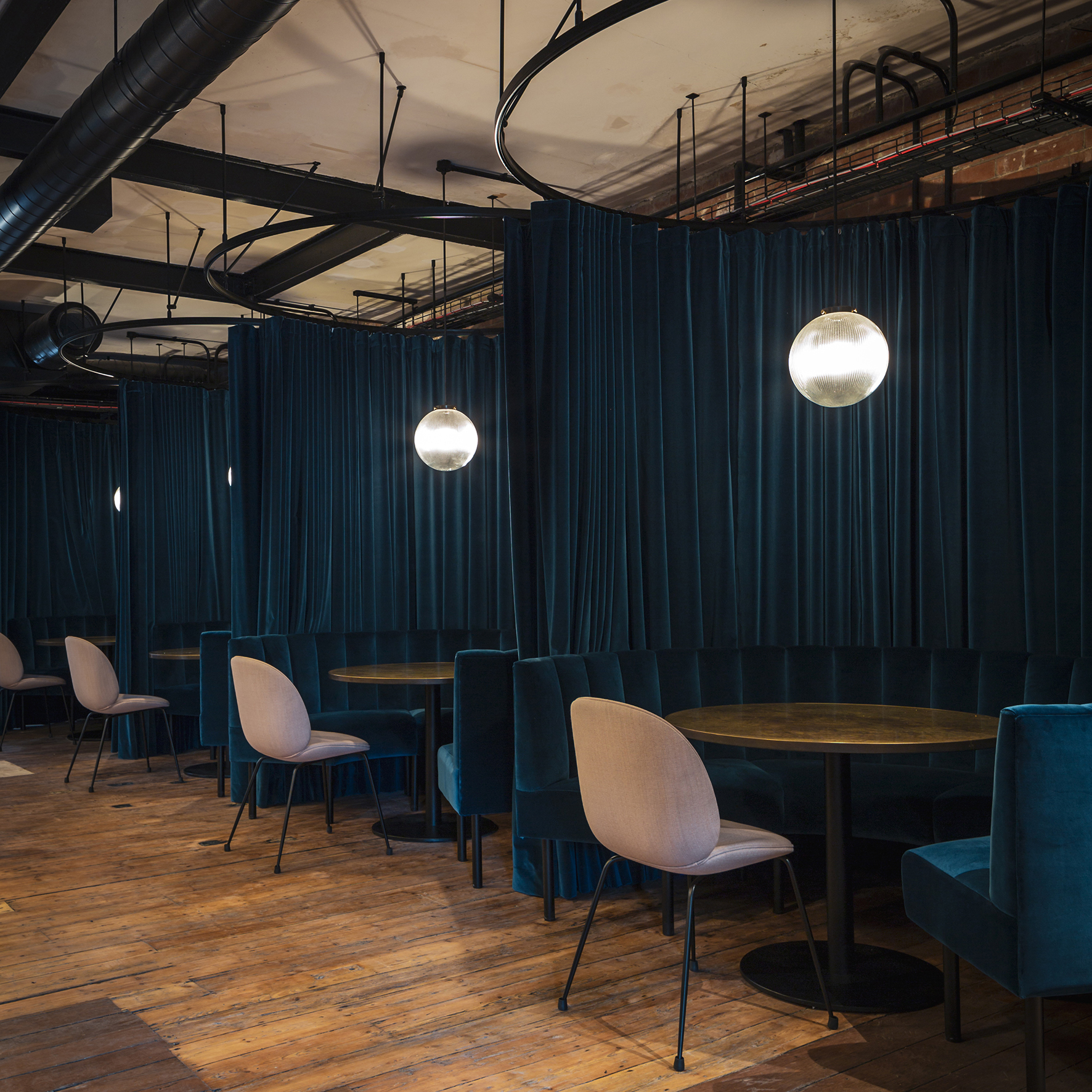
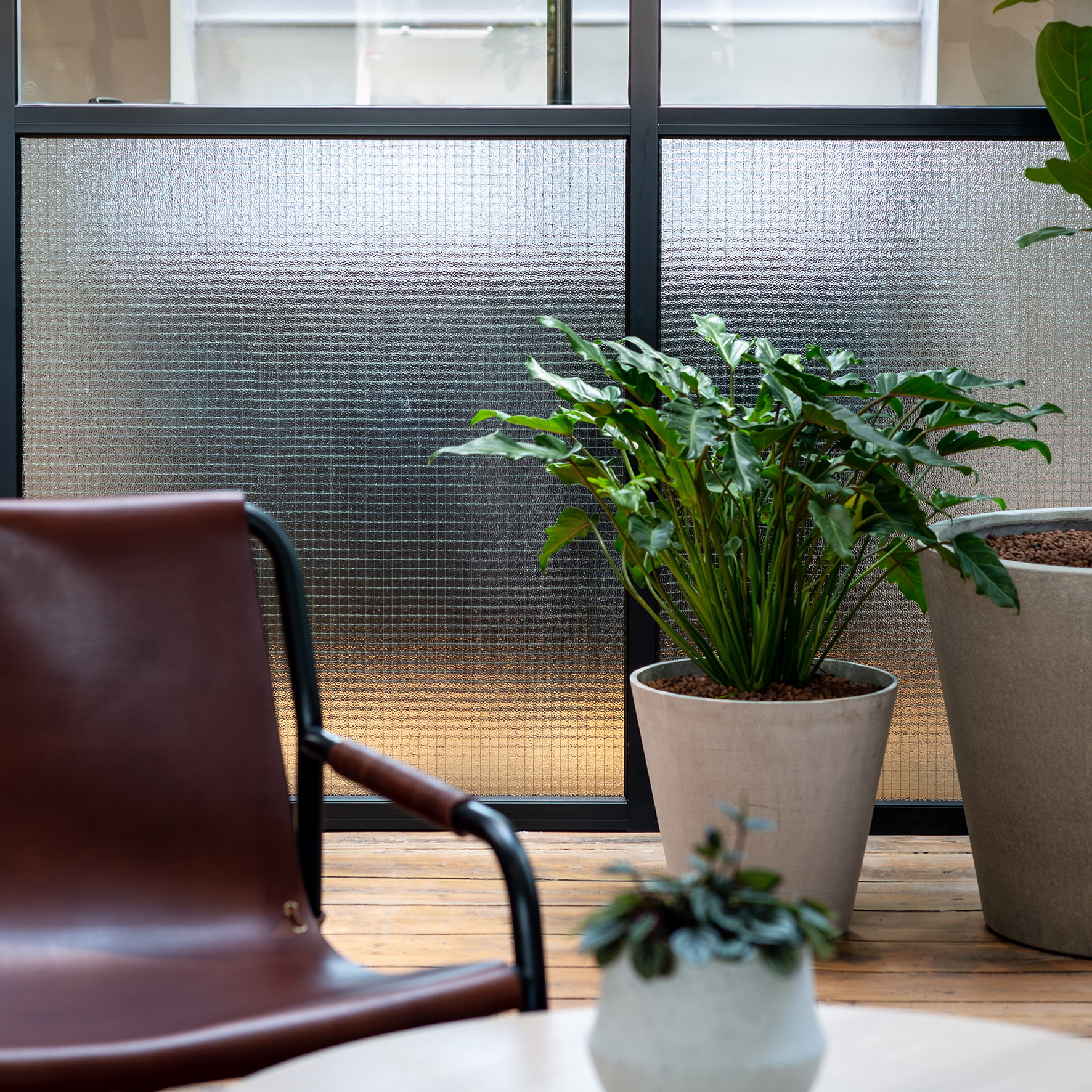
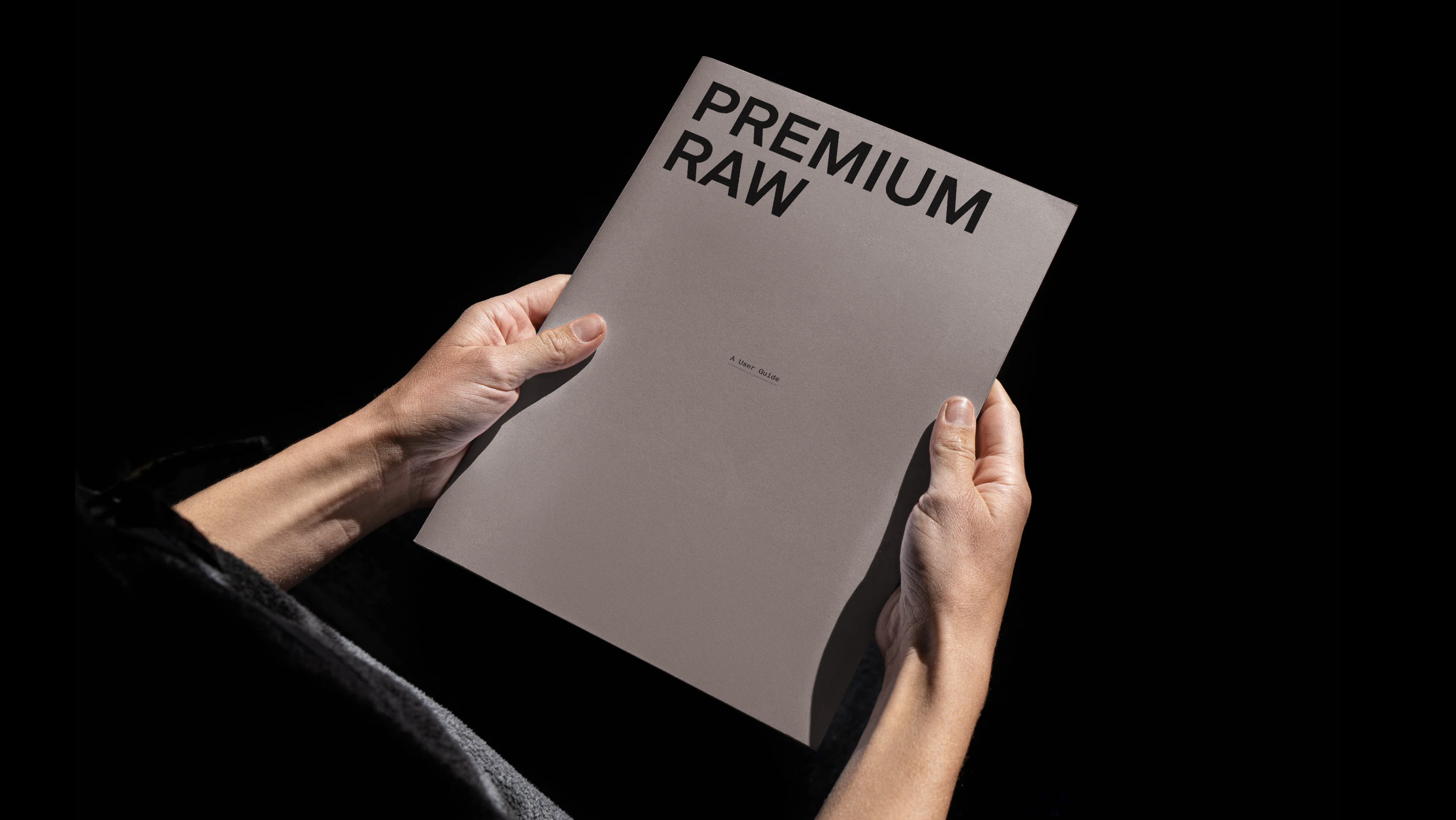
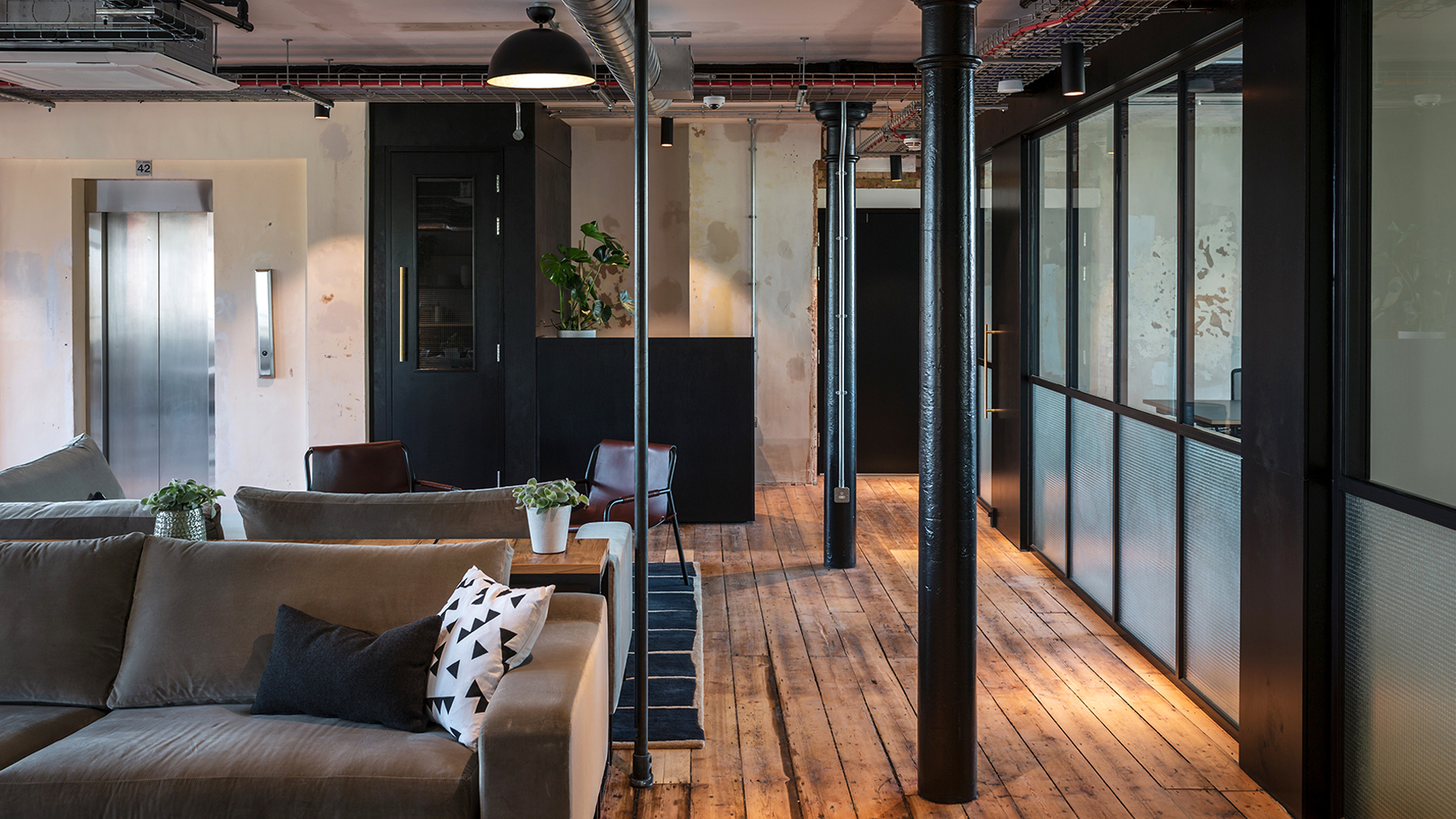
The strategy was called Premium Raw - which related to the idea that Ministry of Sound’s best historical work had a simple, unpretentious power. When applied to this project it meant everything we did was either as premium as it could be, as raw as it could be, or a mixture of the two. In essence, it’s a stripped-back simplicity with a high-quality finish.
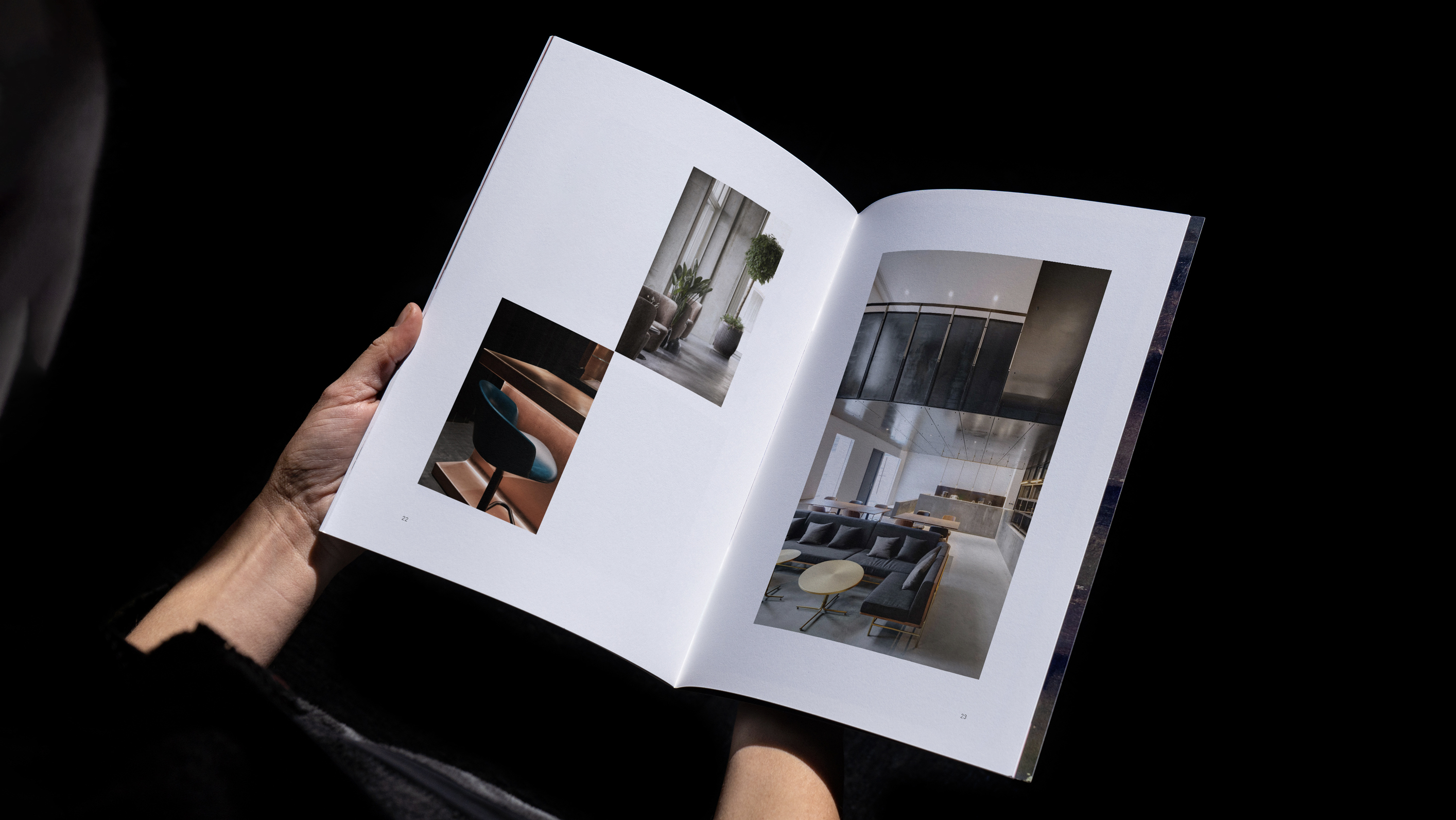
At the outset, I put together a guide that outlined how this visual style would translate to architecture, furniture and design - which was used as reference throughout the project.
Having this clear and agreed creative direction allowed us to find and commission the right collaborators for the project. The architects, artists, interior designers, perfumers and textile designers were all chosen because their styles matched our vision - and they were all briefed using the same criteria.
The vast majority of what they then produced was created especially for the space. I oversaw and directed the commissioning of every item within the building, working closely with all collaborators at every step of the process.
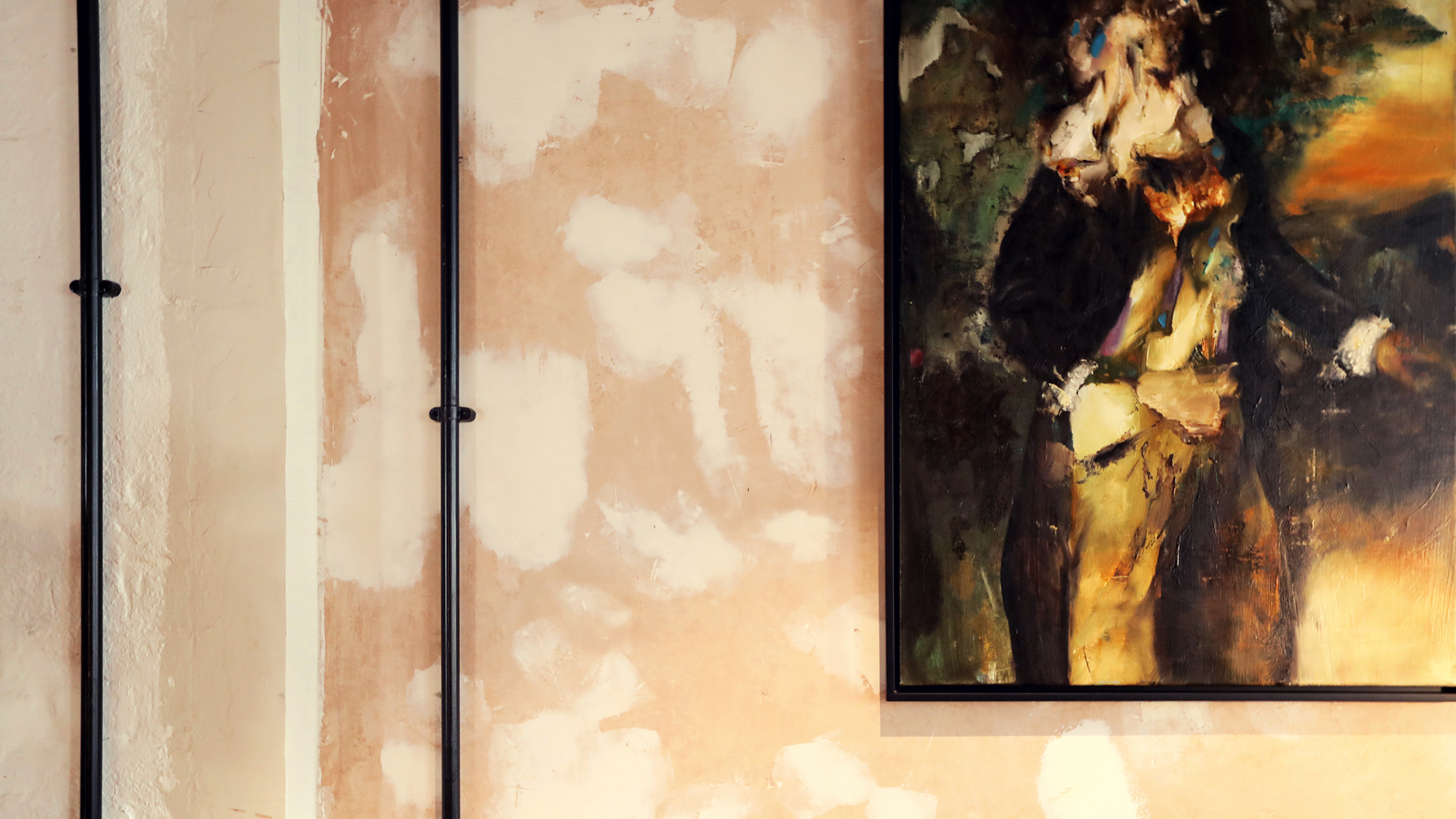
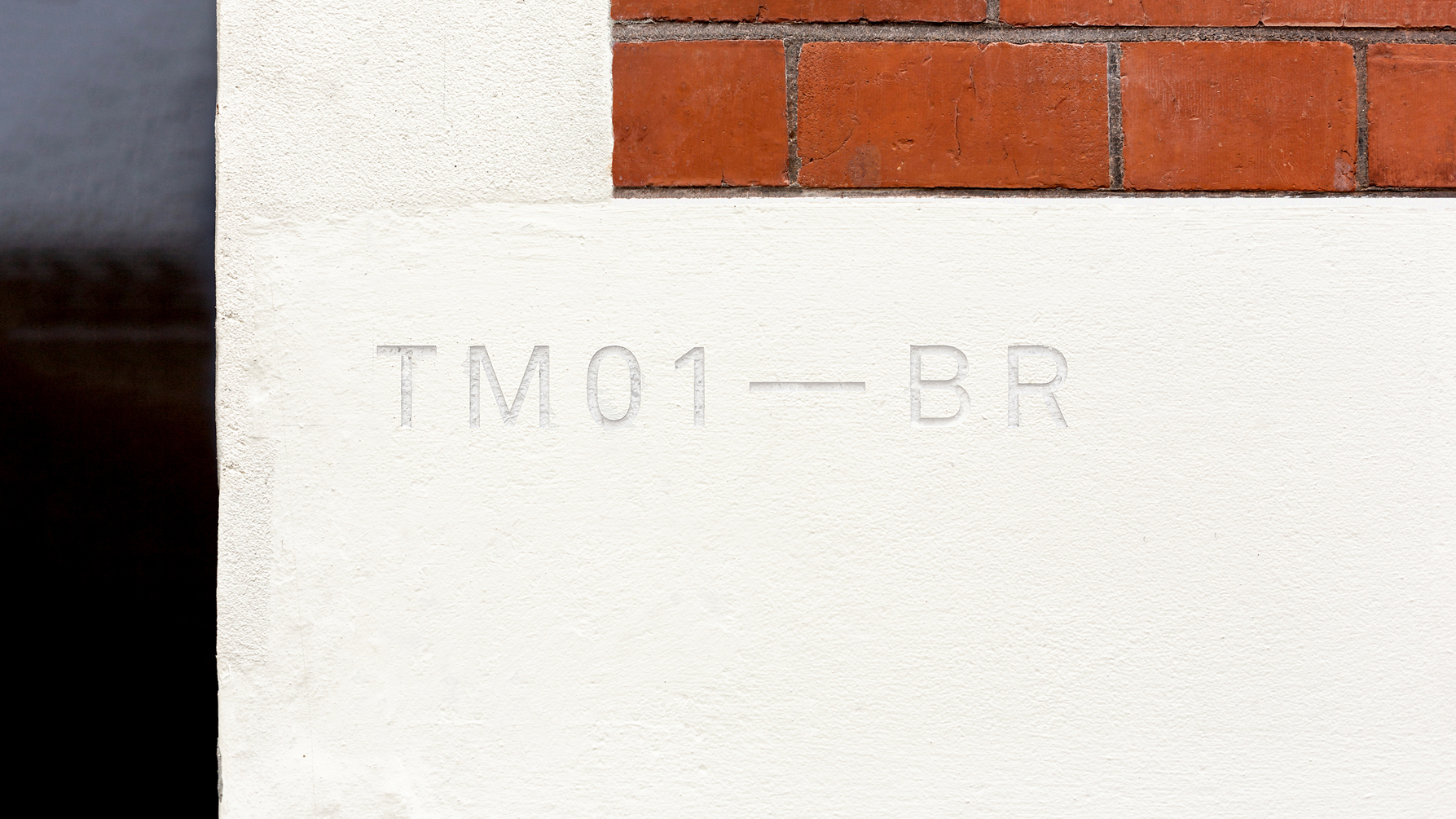
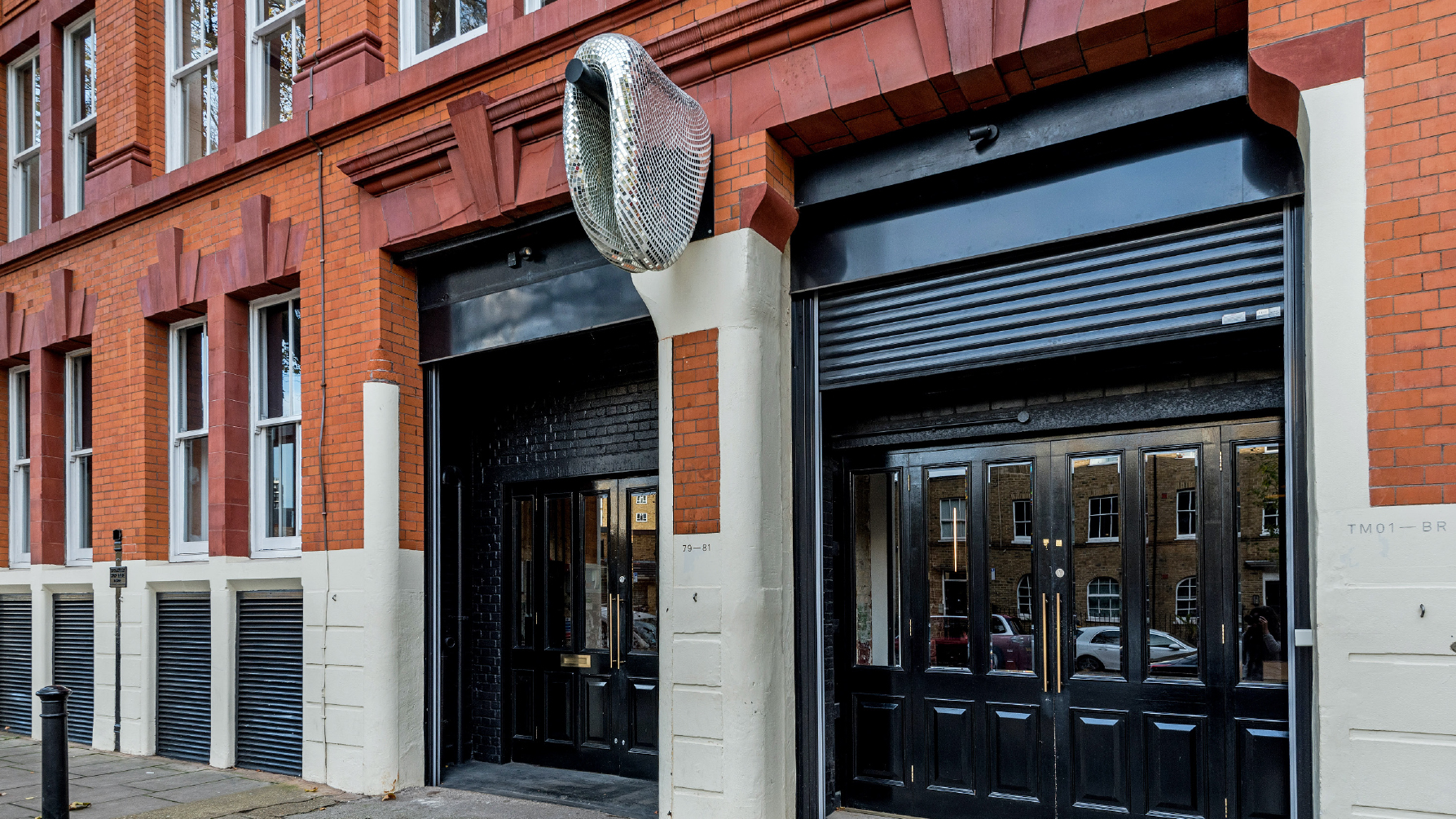
With so much of the project being bespoke or one-off, the aim was to create a strong brand presence through a unique personal experience, rather than an endless barrage of logos. With that in mind I wanted to ensure there was no traditional visual branding anywhere. Internal signage was minimal and the external entrance was marked with a code etched into the stone and a specially commissioned piece of art by the Dutch art collective, Rotganzen, hanging above the door.
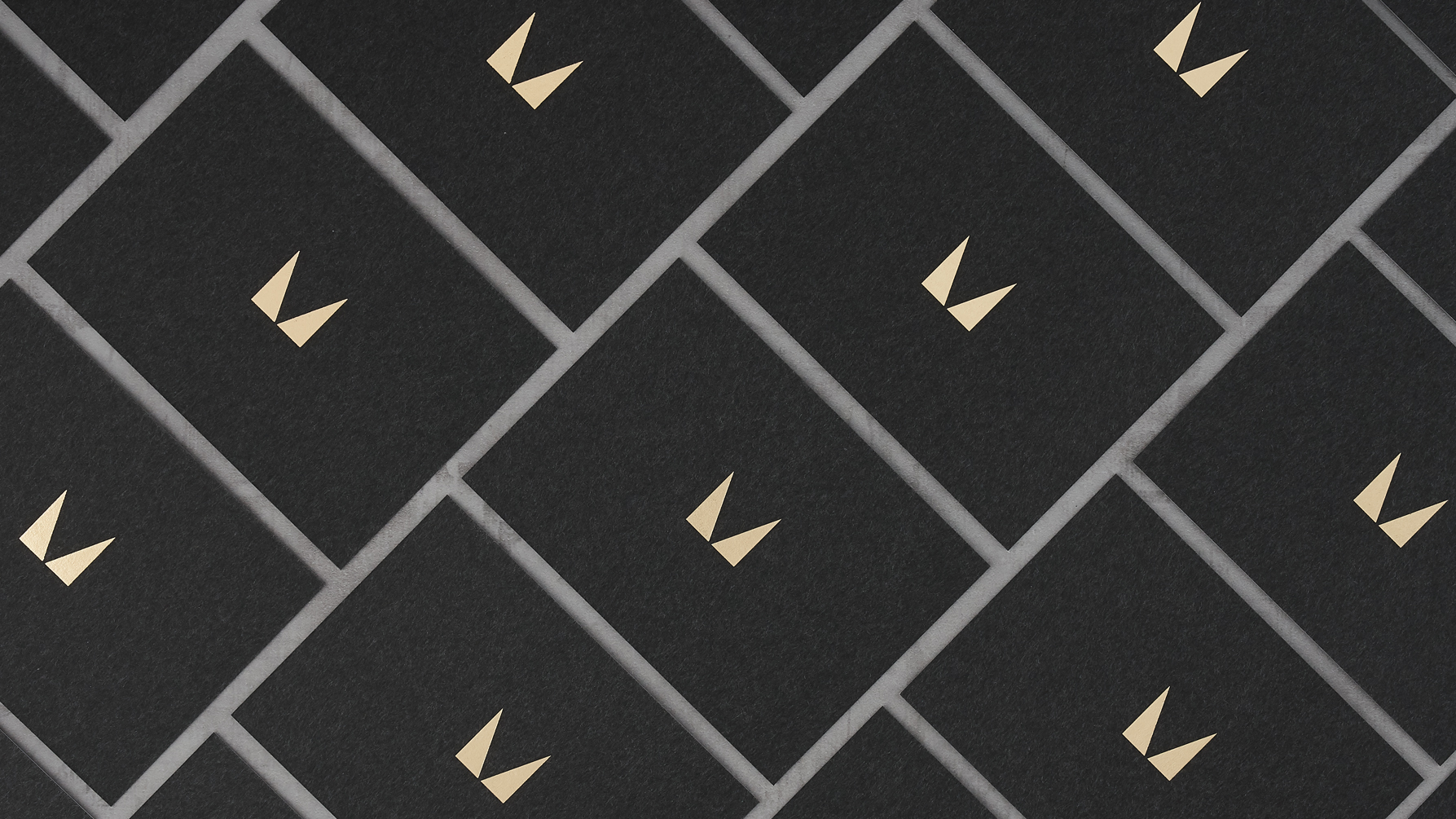
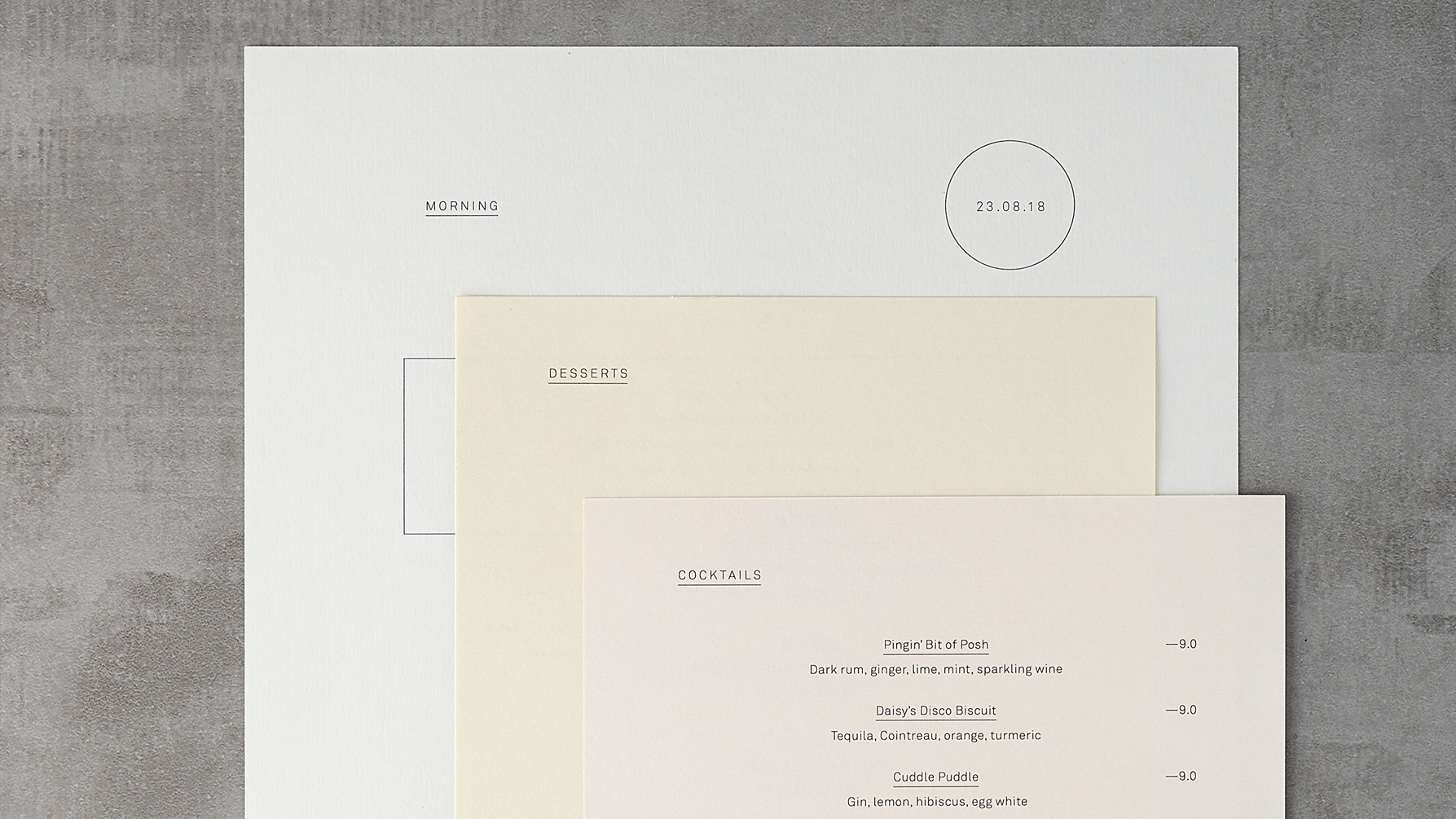
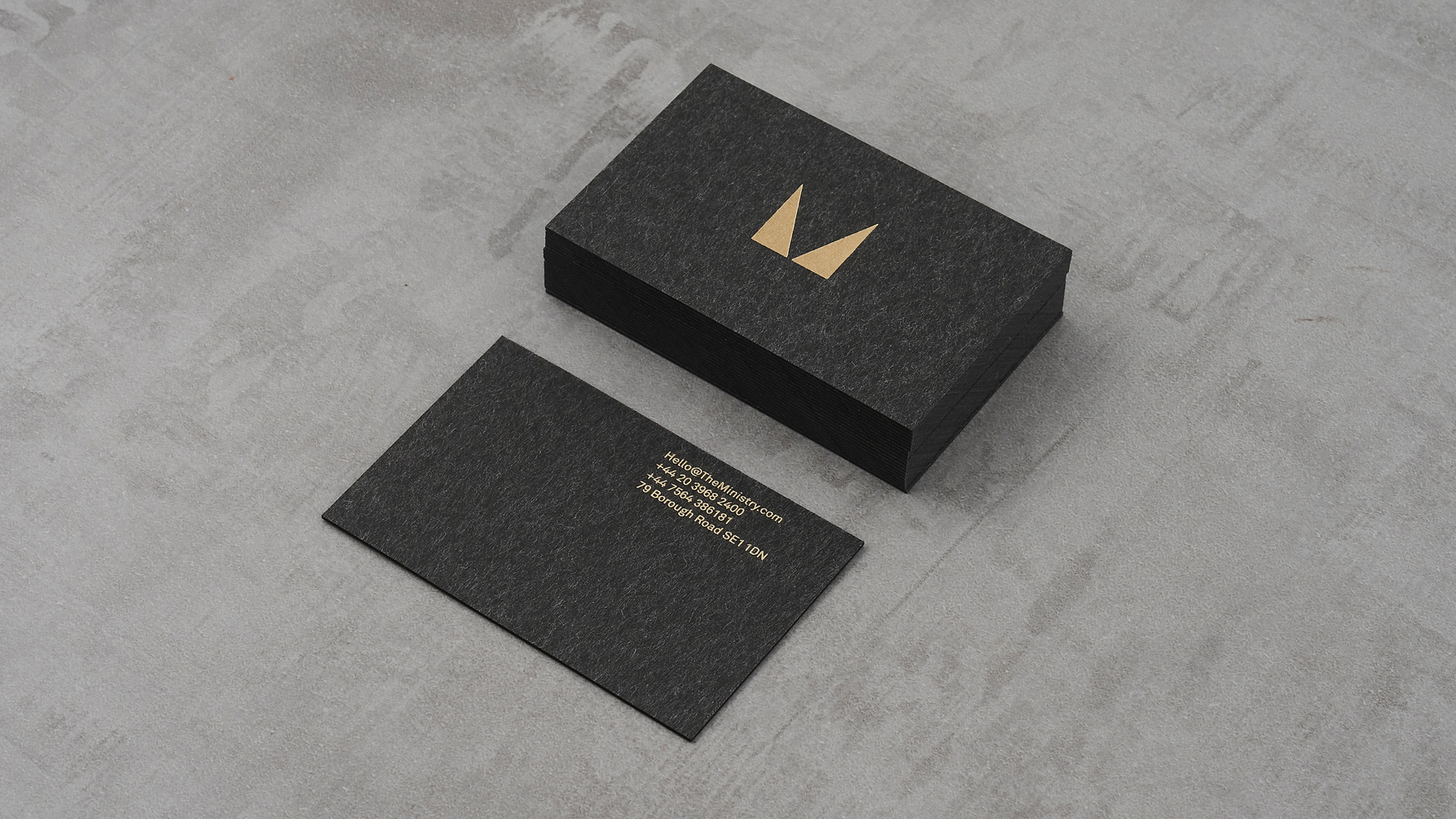
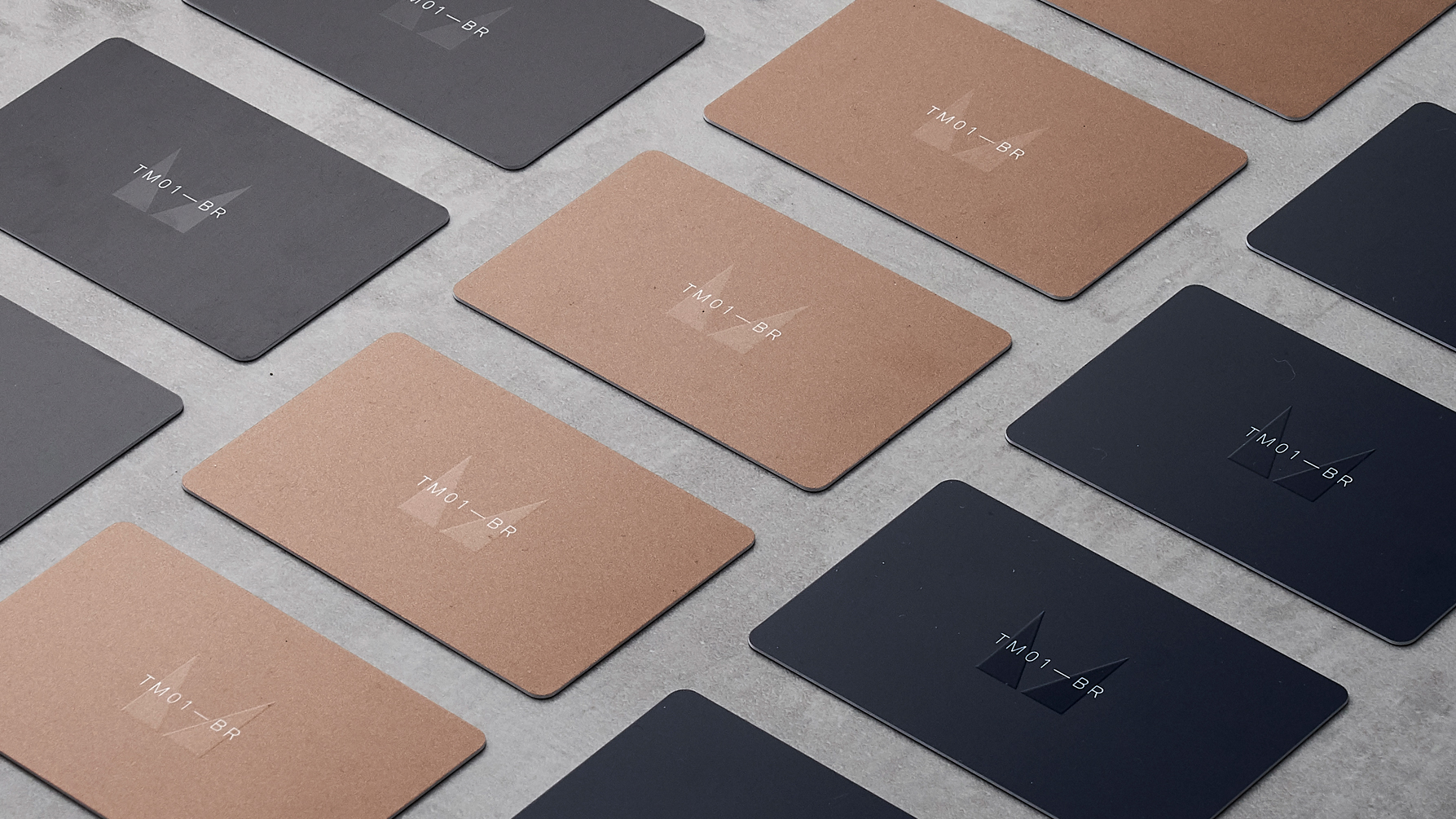
I created all the initial design collateral, which included a modified logo originally created by Spin for Ministry of Sound, then directed the in-house creative team going forwards who built on the foundations I'd put in place and added their own style and personality to the collateral.
Simon combines simplicity with depth. This is hard to achieve. It is easy to be simple, but to inject soul requires a special skill - which he has. It’s a pleasure and inspiring to work with him in this way.
Simon has exceptional taste but his work goes beyond this. He understands the essence of the project under consideration and ensures the execution stays true to it. Integrity is a bandied-about word, often misapplied, not with Simon.
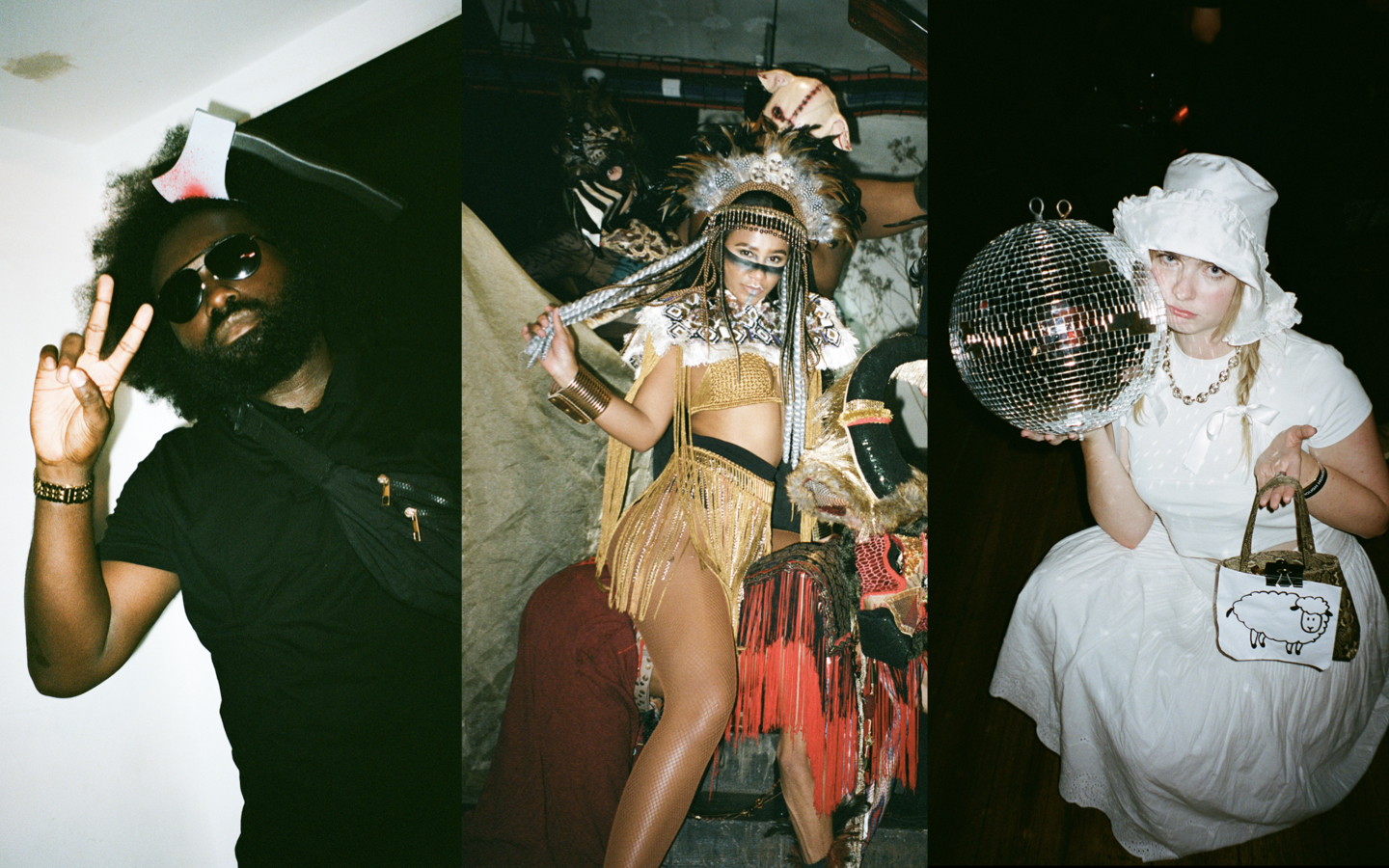
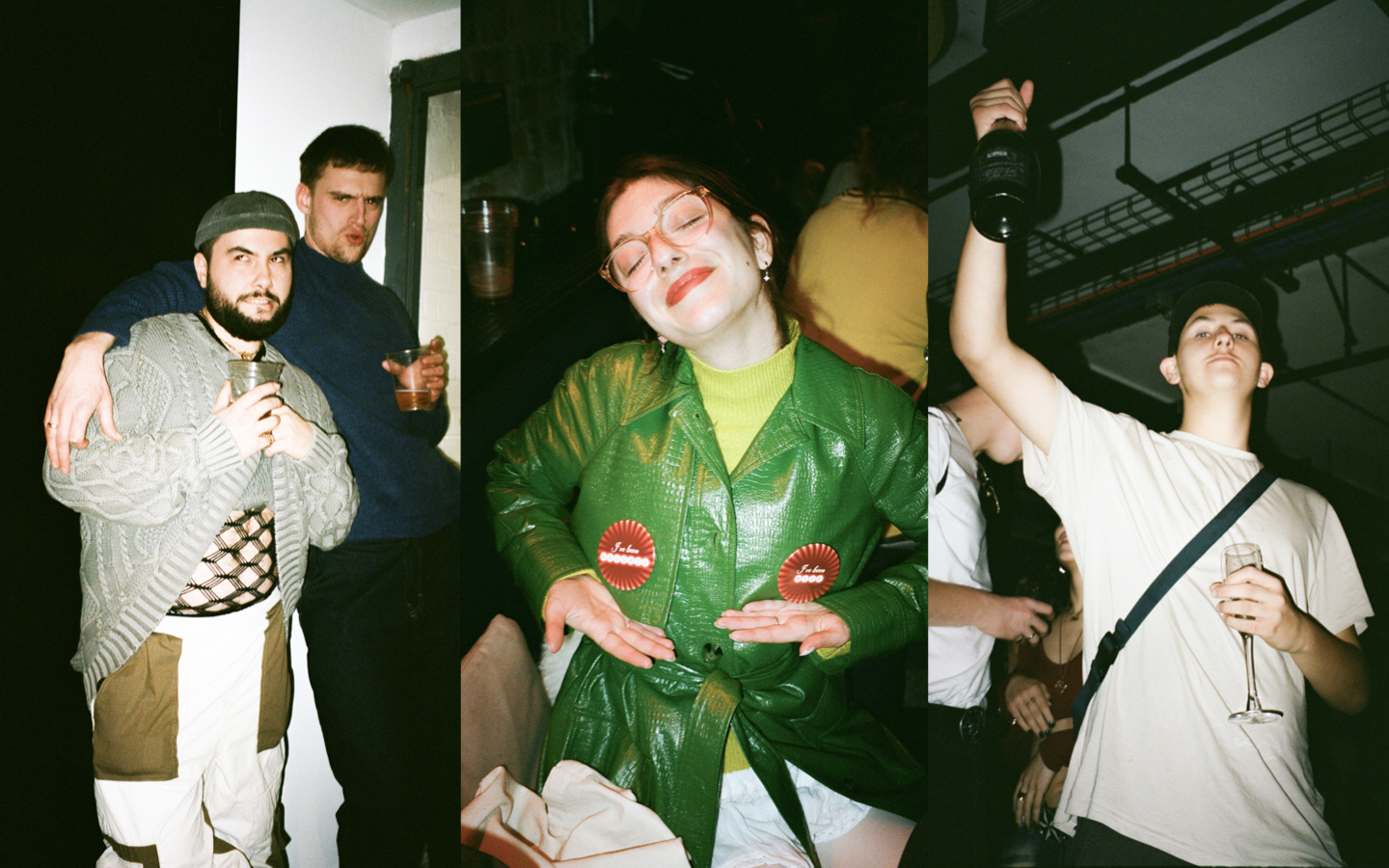
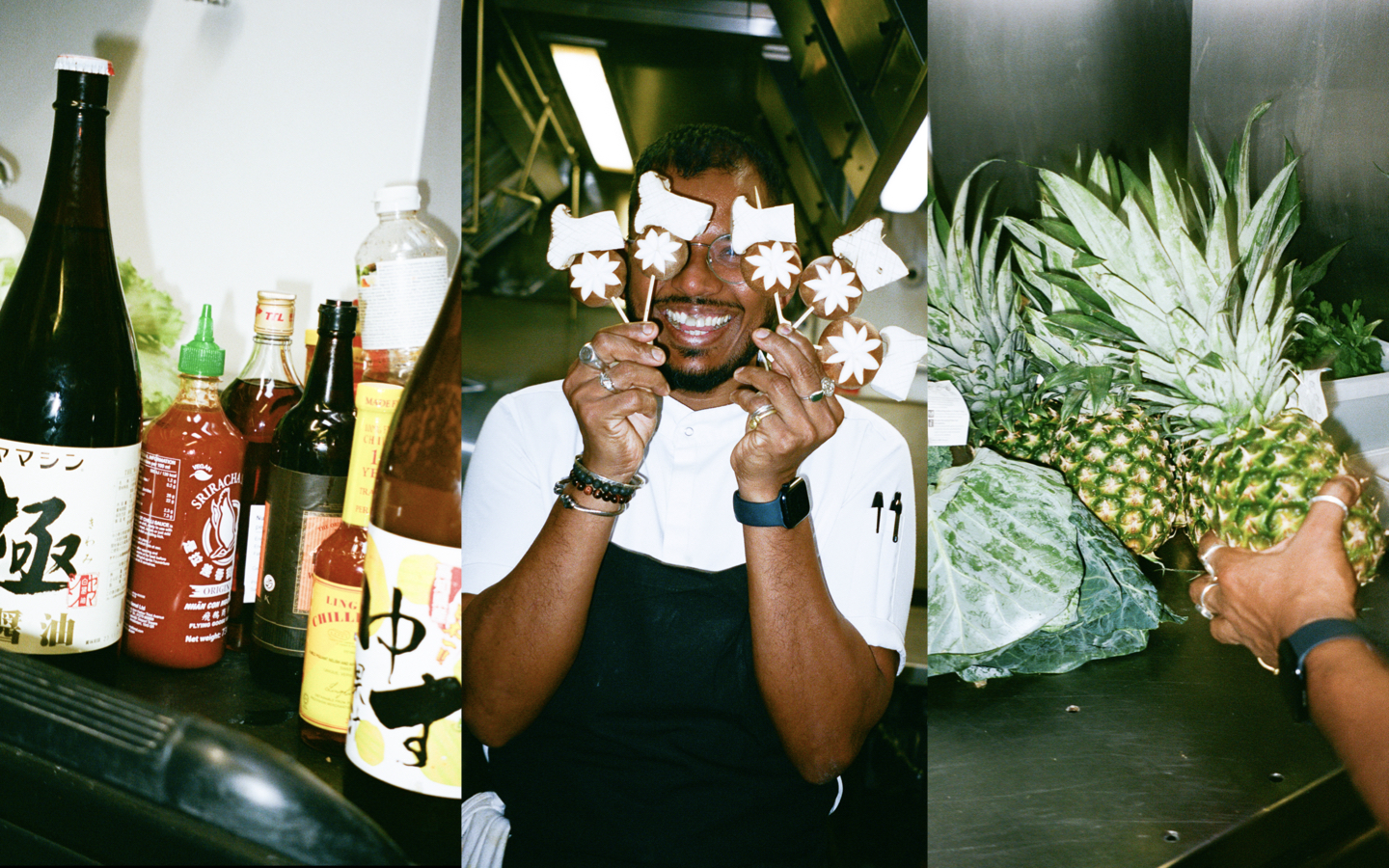
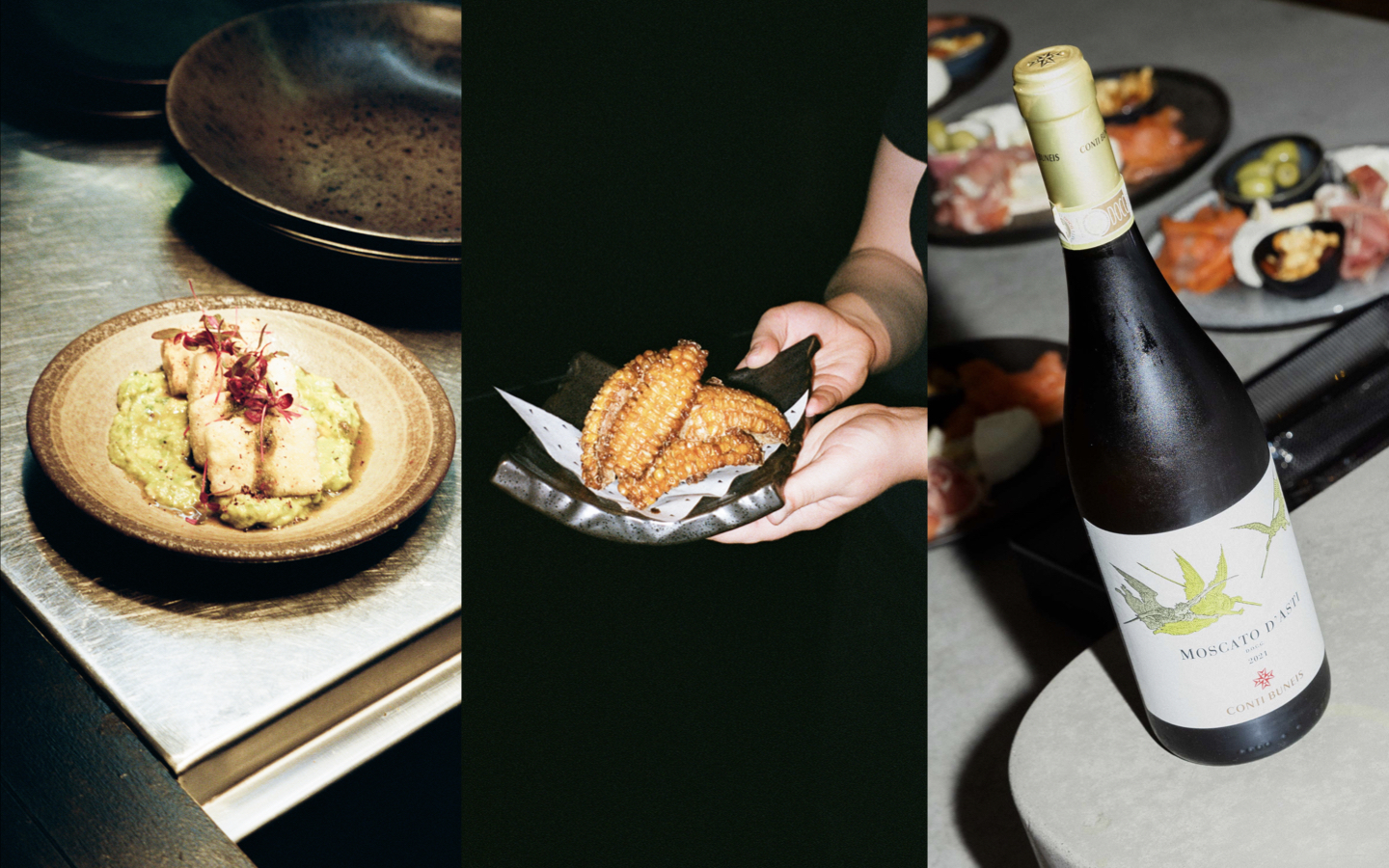
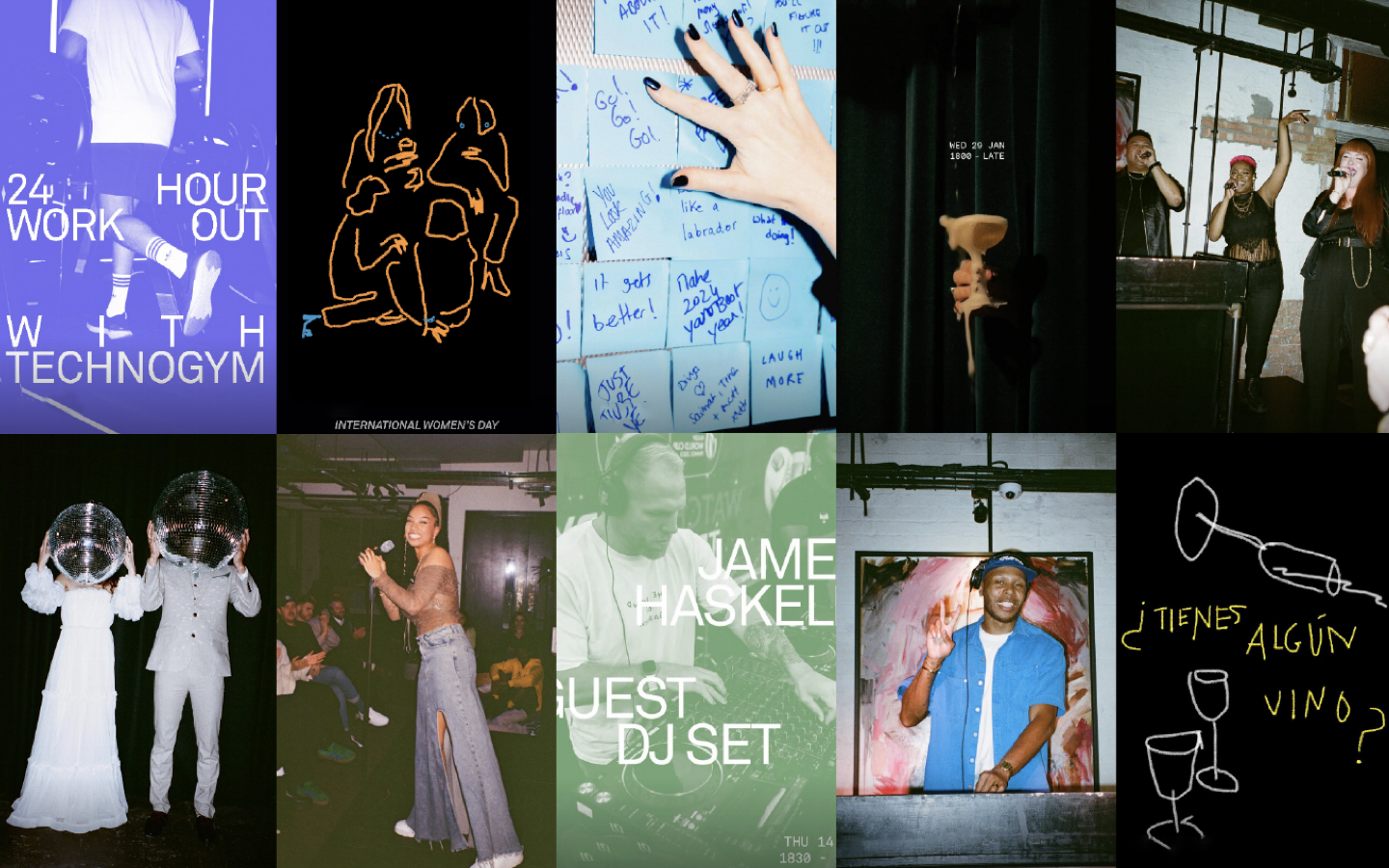
A key part of the brand's identity was how it showed up on social media, so we adopted an approach focused on the members and the life within the building - whether that was the parties and events or food and drink - rather than simply photos of meeting rooms and desks. The photography and imagery we commissioned was deliberately very human and loose to contrast with the usually very stiff portrayal of workspace brands.


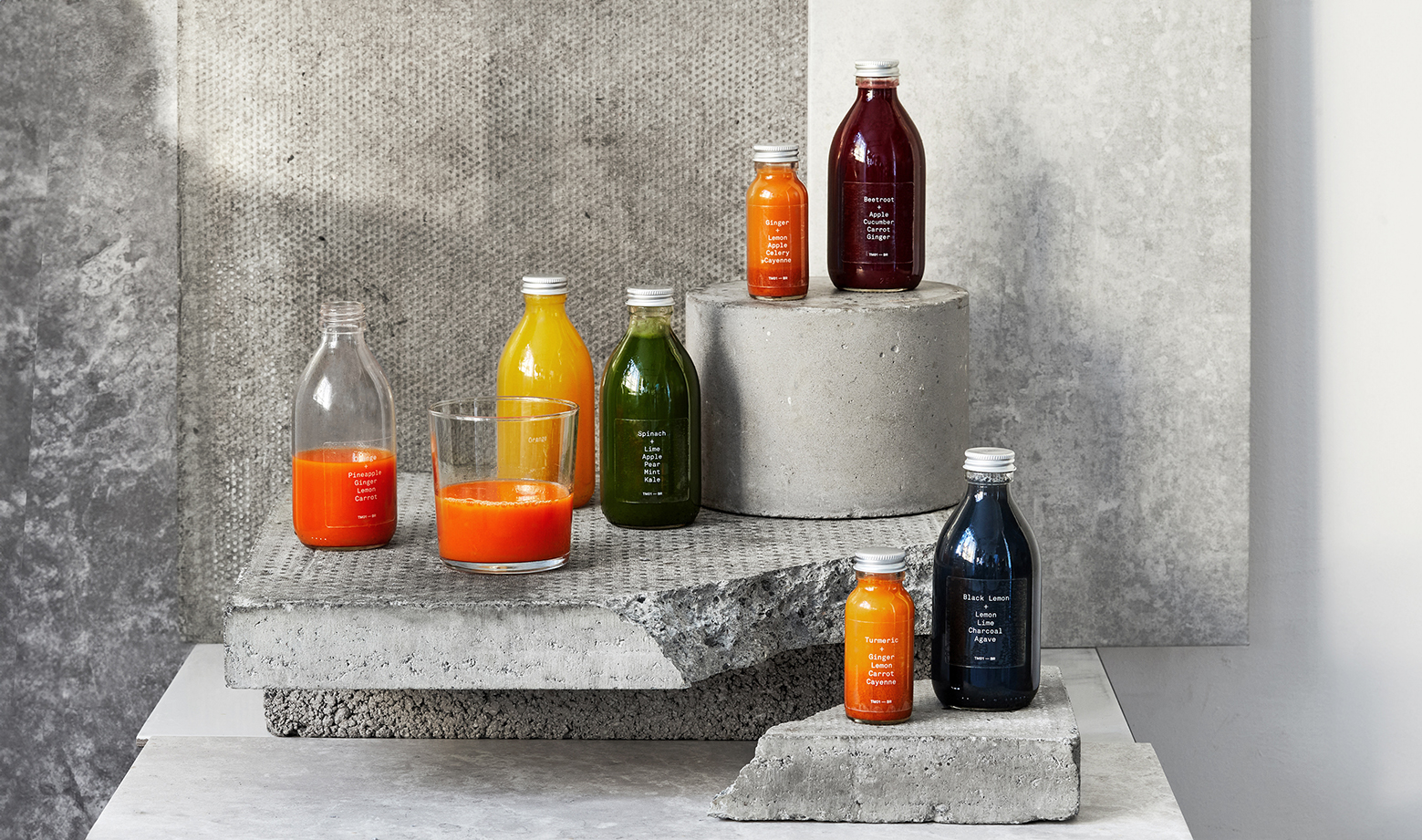
Food and drink is a hugely important part of the offering, with a head chef coming from Ottoleghi and bar manager from the Four Seasons. I worked with these teams on the member-facing presentation of these items, including glasswear and crockery, through to how they were photographed.
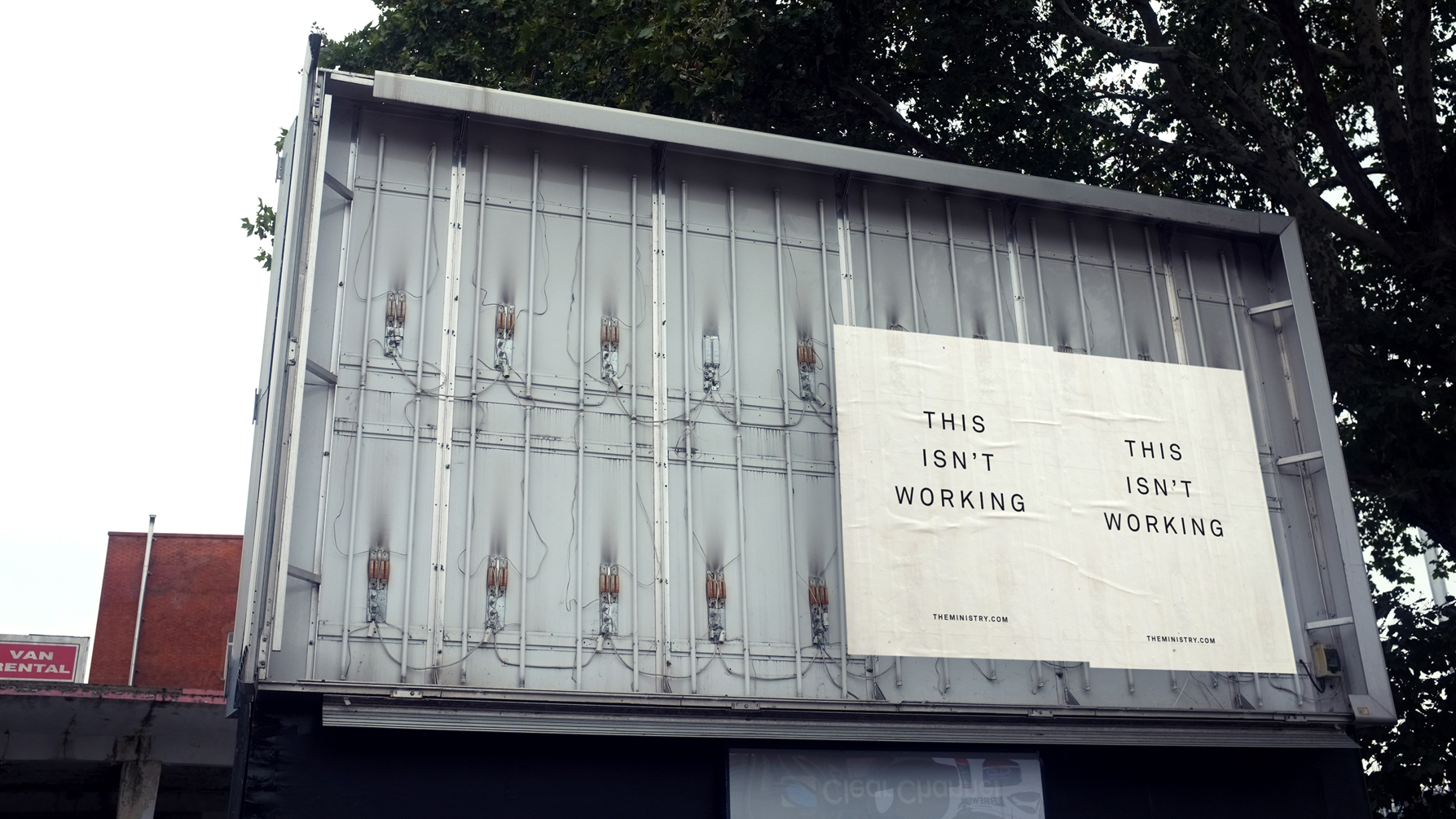
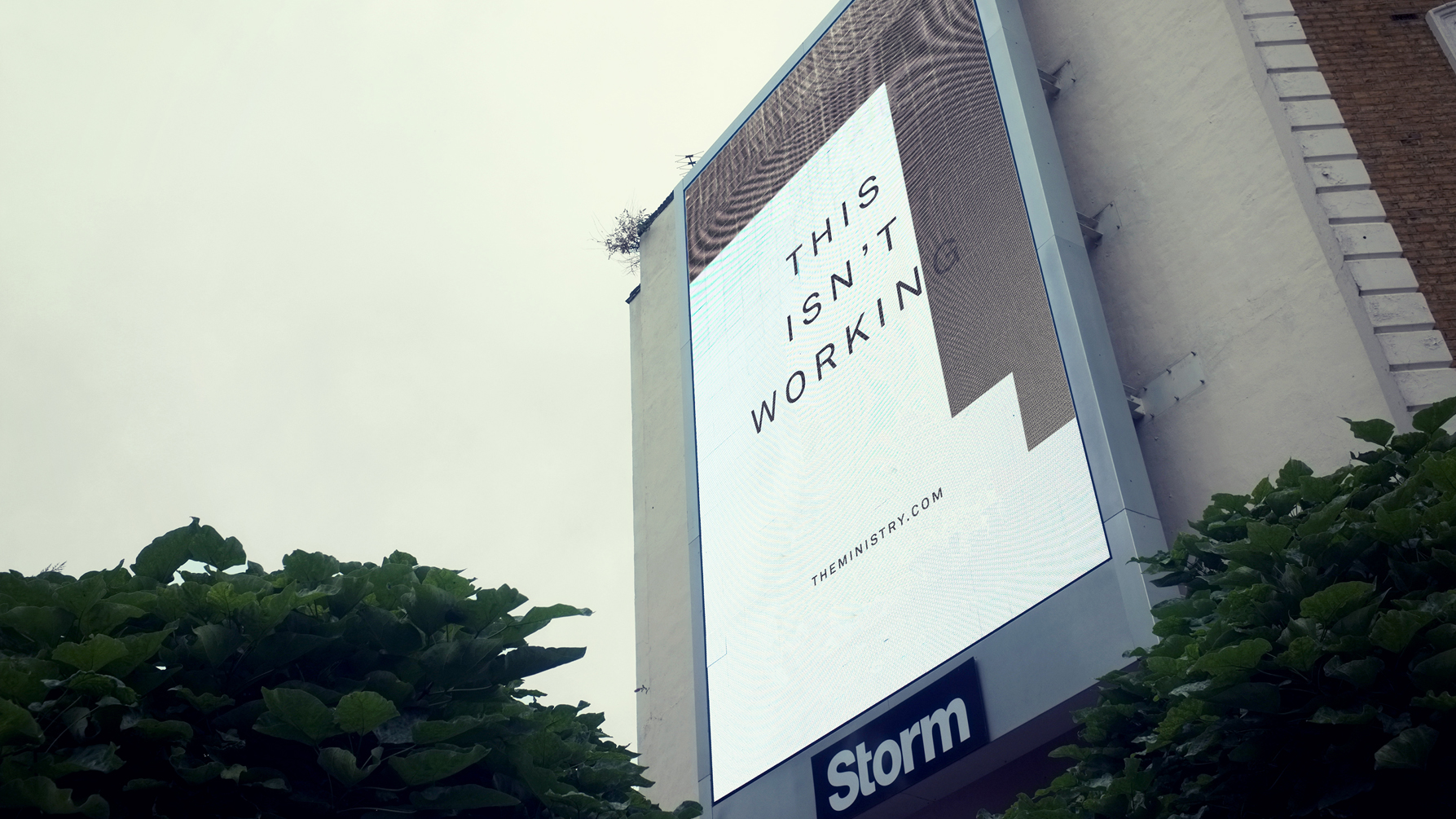
At the outset, I created a guerrilla launch campaign in the local area using the tagline “This Isn’t Working” to emphasise its new, less formal approach to work.
The project has been a huge success with occupancy levels regularly hitting 100%, and averaging around 96%, figures almost unheard of within the industry.