
Background —
Following the success of the first site, the focus naturally shifted from proving the concept to understanding how it might evolve. Occupancy levels consistently sat well above industry norms, averaging 96% over time, and demand increasingly outstripped the space available. Members often left not through dissatisfaction, but because their businesses had grown beyond what the building could accommodate.
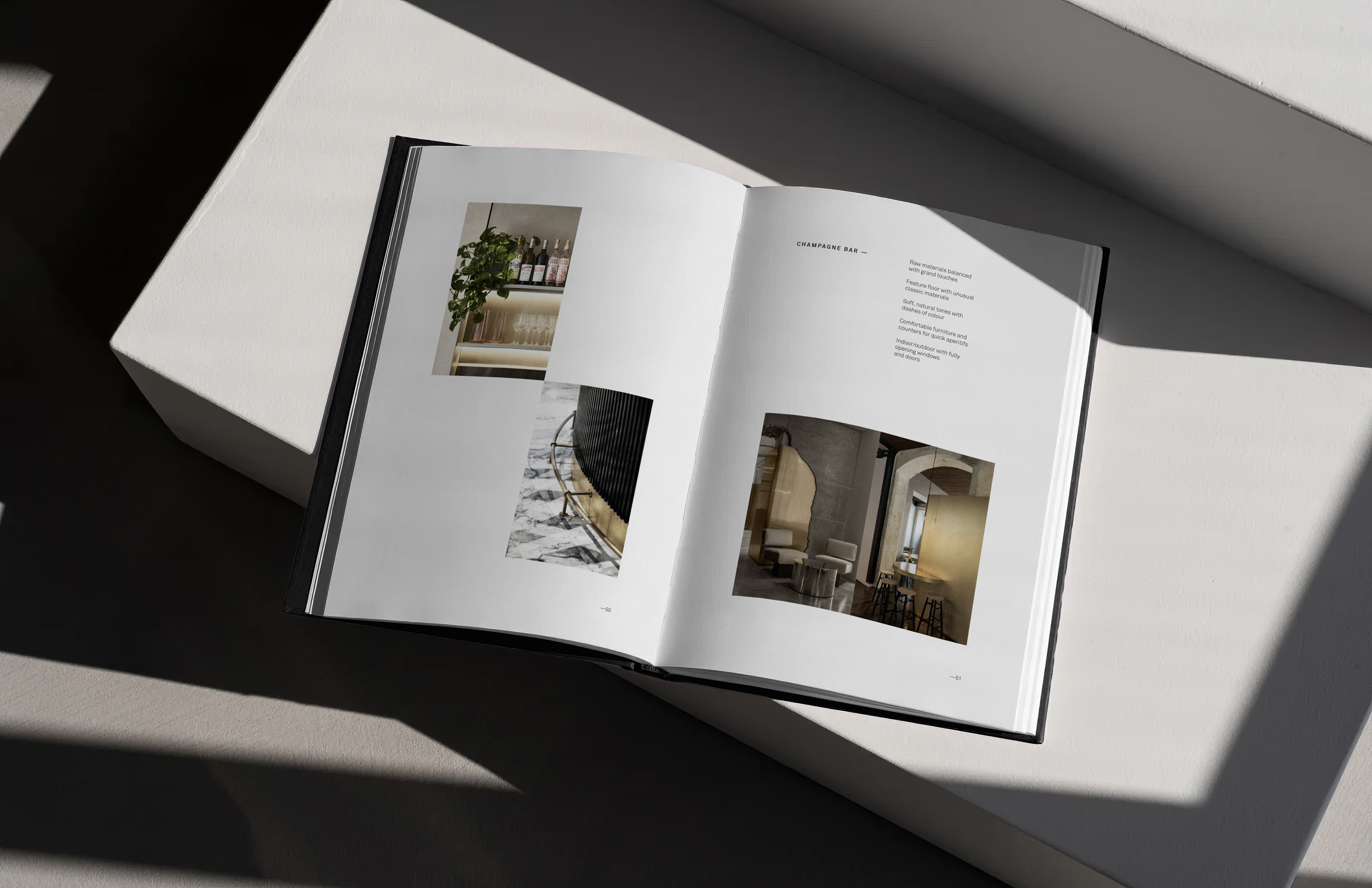
Project —
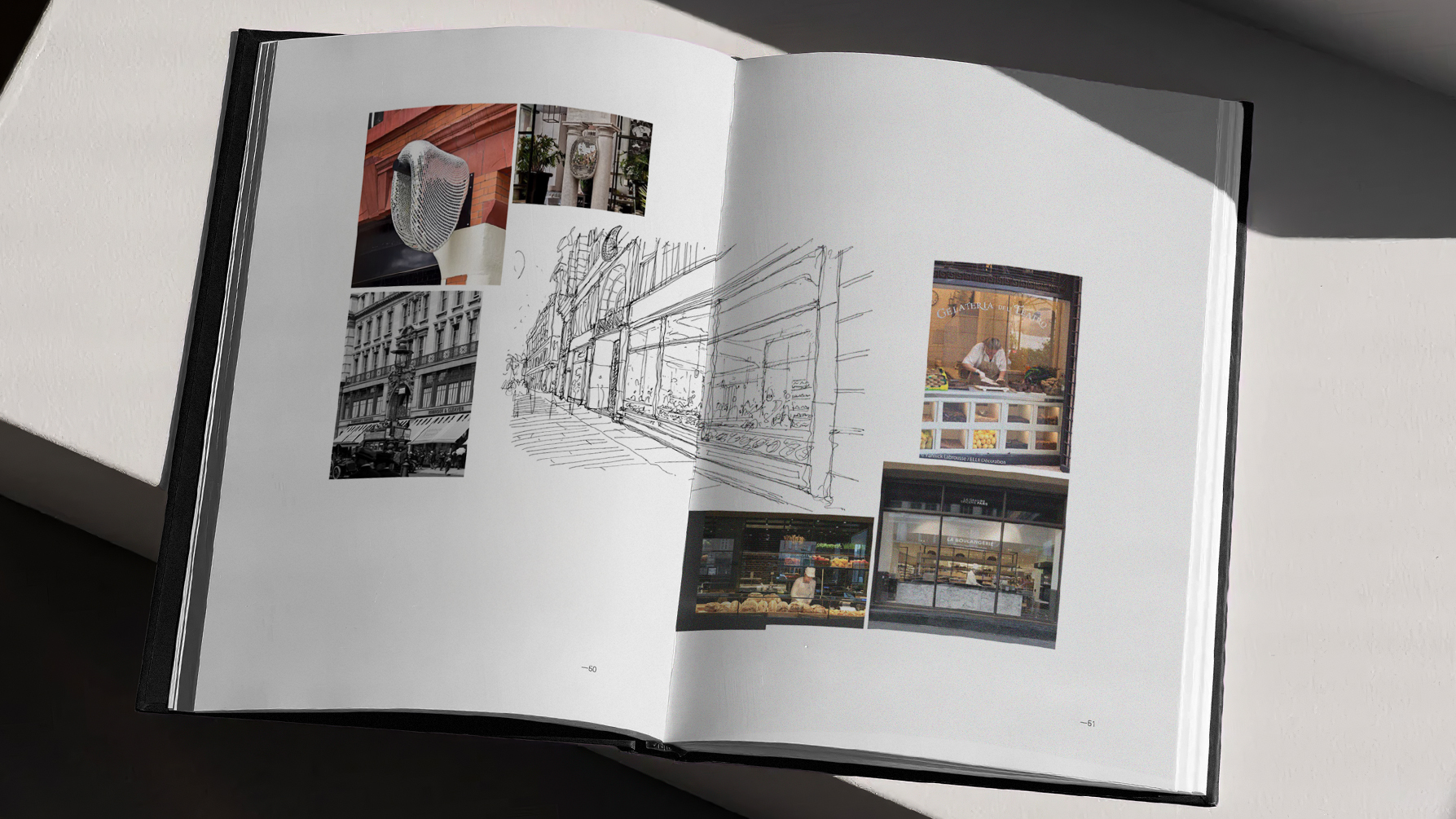
After several years of refining and stabilising the product, the conversation moved towards growth. Property developers began approaching the business with opportunities for significantly larger buildings, some three or four times the scale of the original site, offering the chance to explore what The Ministry could become at a much greater size. Two large London sites became the focus, one a landmark building on Regent Street, and another a former department store in West London. We developed full schemes for each and moved the brand into new areas including fitness, F&B, fragrance, homeware, and bodycare.
The challenge at this stage was not appetite, but control. Early success makes it relatively easy to maintain coherence; expansion is where brands often begin to fragment. Without a clear strategic framework, moving into new buildings, formats and sectors risks eroding the very qualities that made the original product compelling.
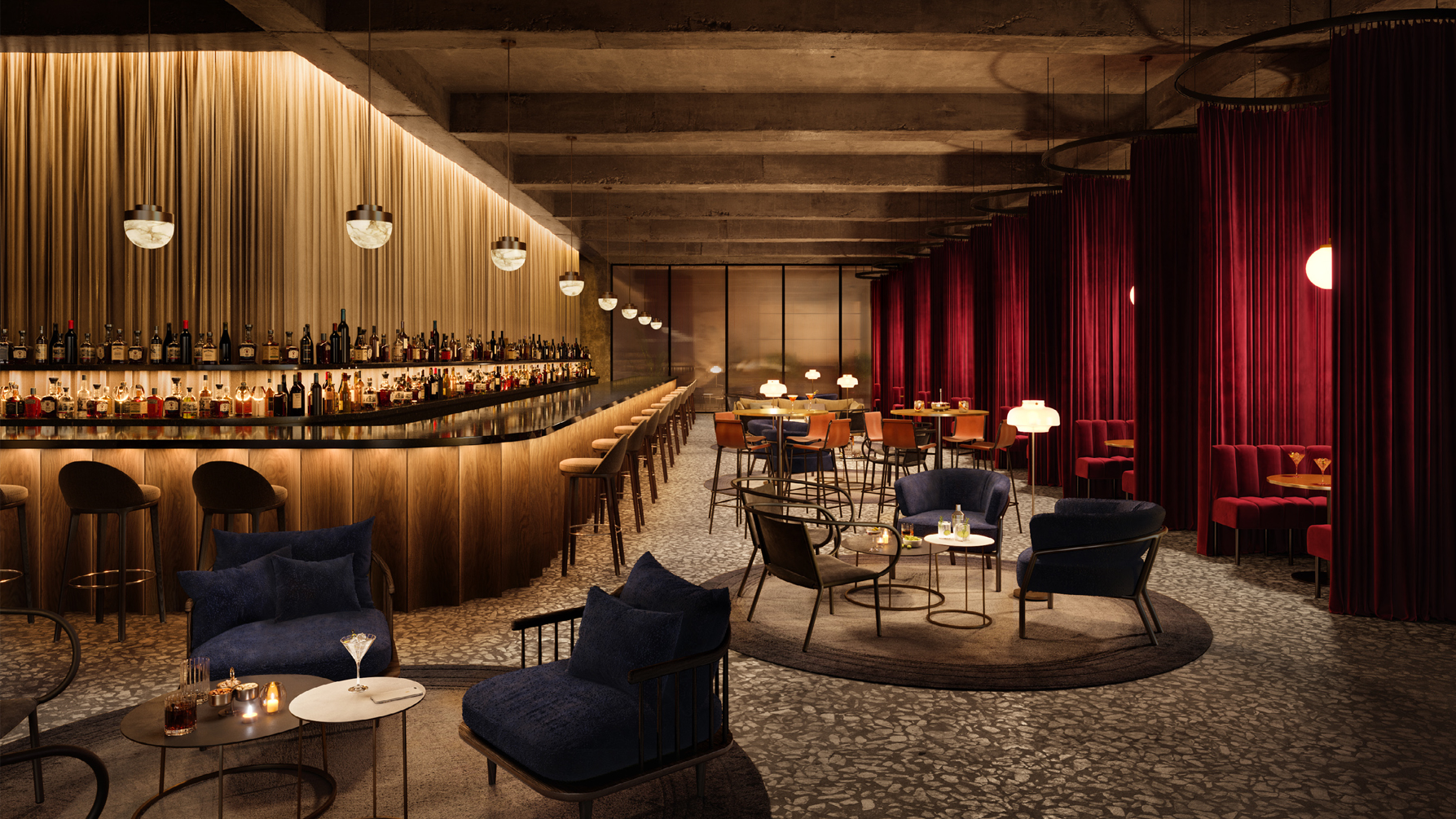
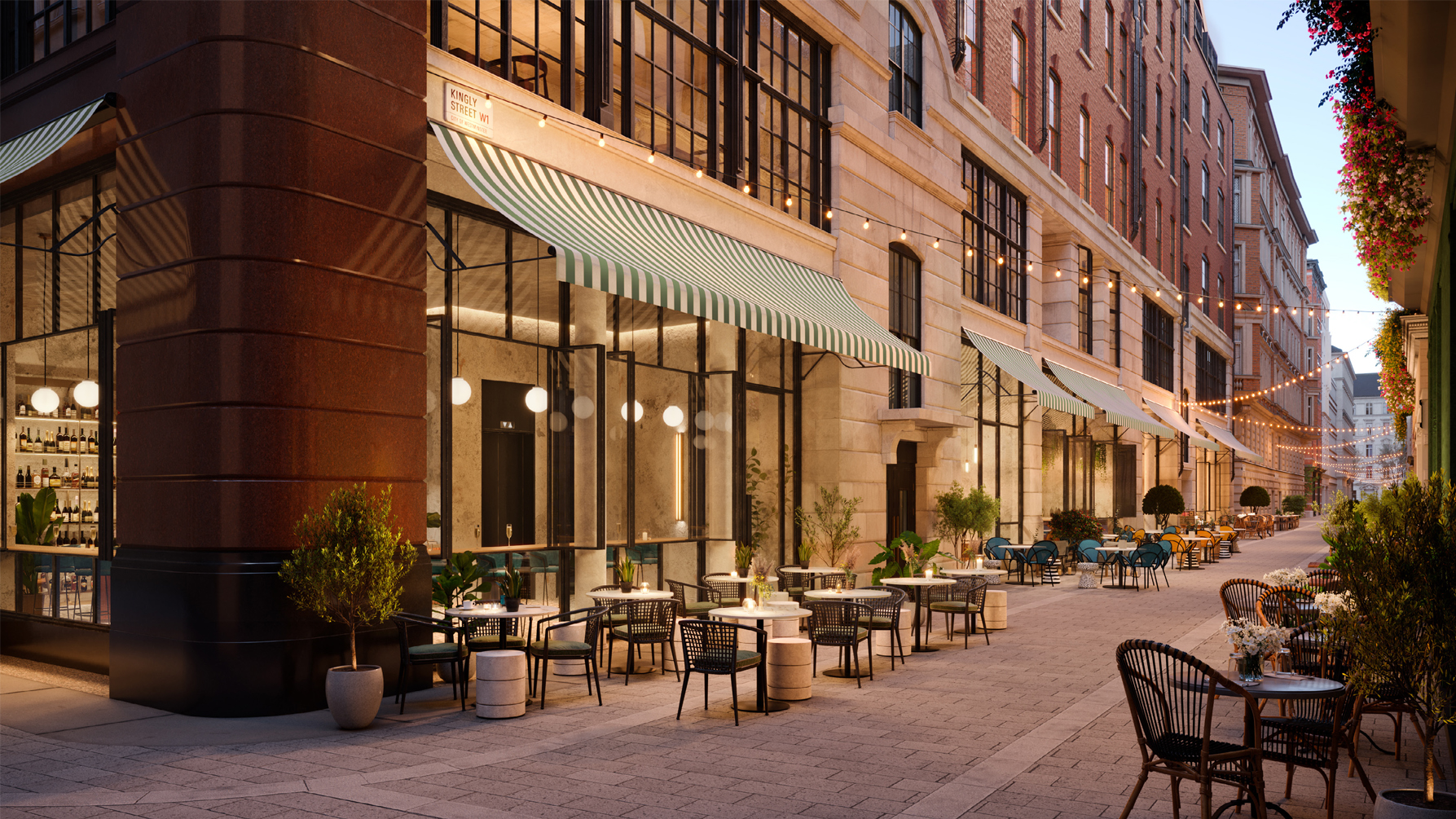
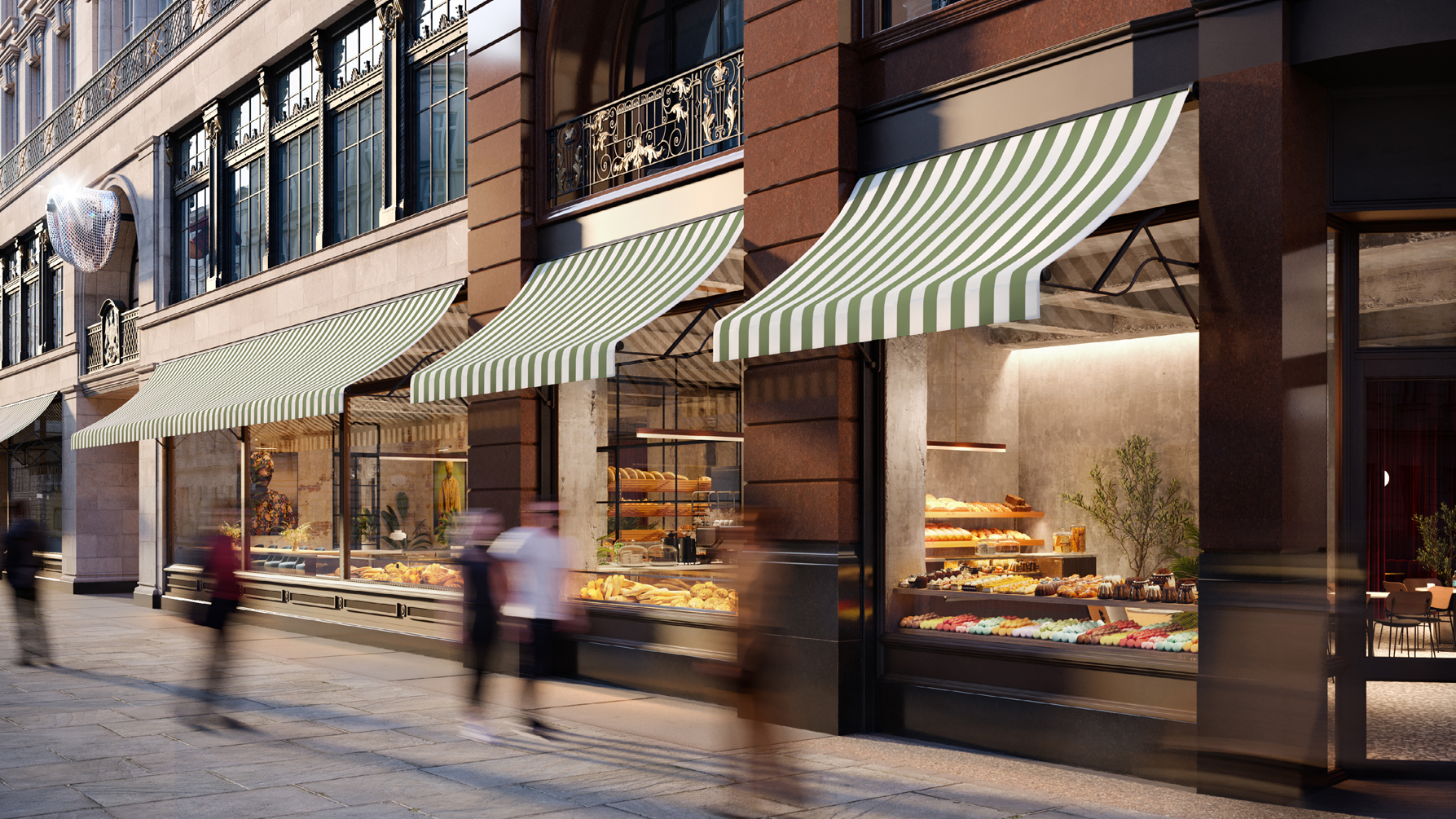
This second phase of work was about ensuring that growth could happen without dilution. The aim was to stress-test the brand, understand its elasticity, and define how far it could stretch while still feeling unmistakably like The Ministry.
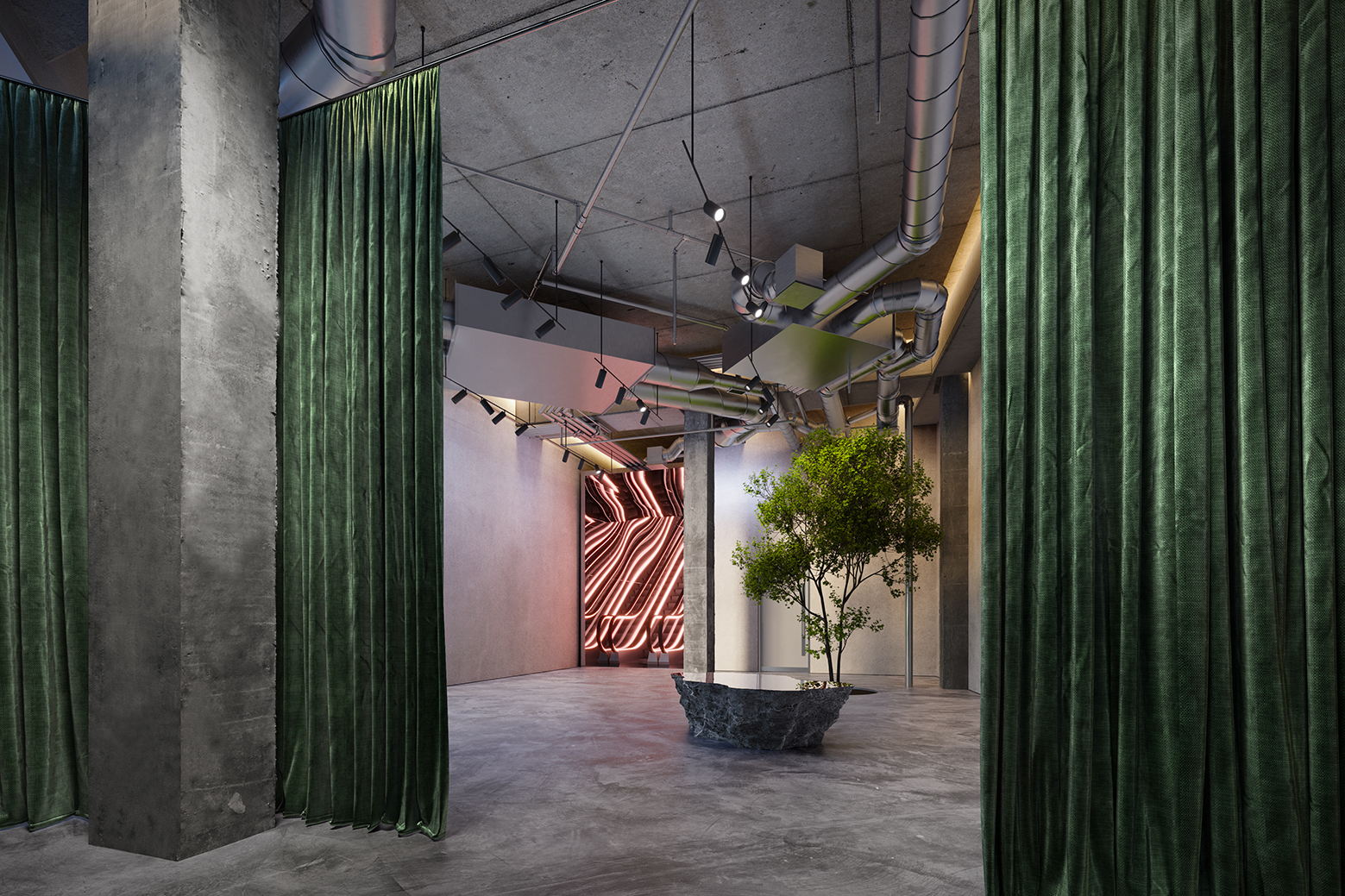
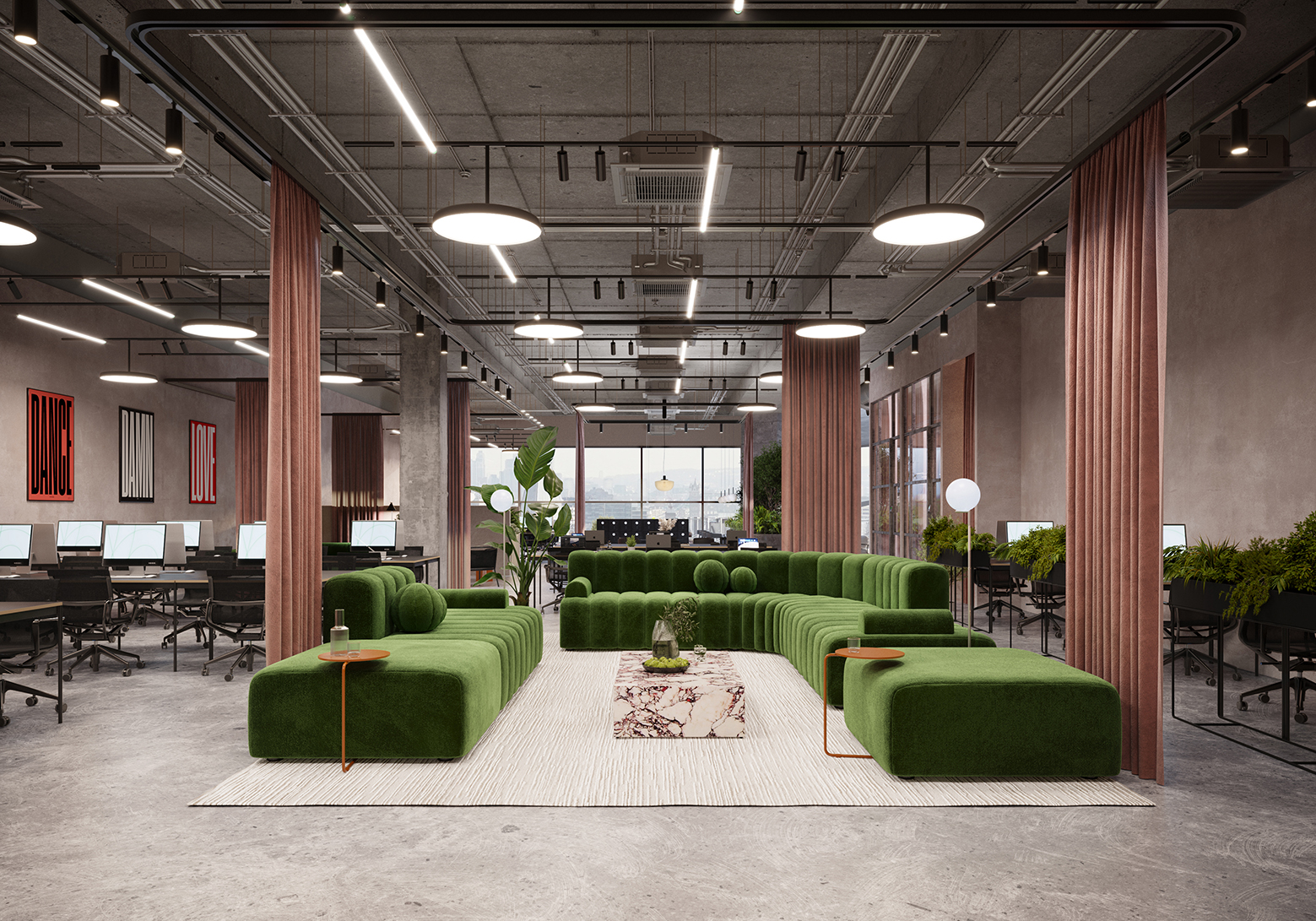
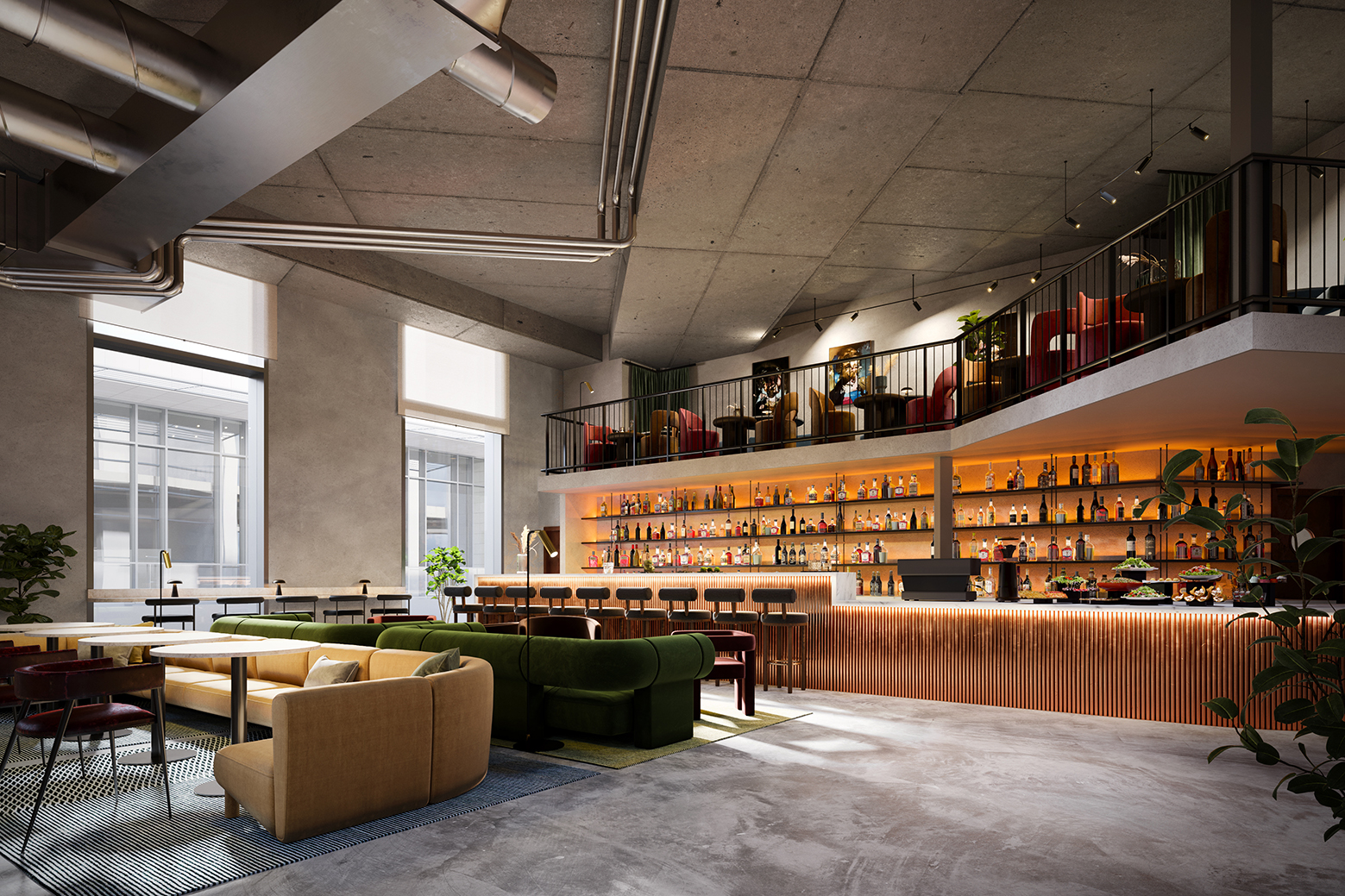

The Premium Raw strategy established at the outset continued to act as the North Star. Although future sites might differ architecturally, for instance moving away from Victorian brickwork towards more modern, concrete structures, the same principles applied. Buildings were stripped back to their most raw, honest state and counterbalanced with carefully considered premium elements: furniture, art, lighting and fittings. The same logic informed product development, packaging and experience design. This involved working with raw materials and processes, but presenting them in a way that felt considered, refined and intentional.
All expansion ideas were rooted in the member experience. Decisions about new sectors, whether fitness, food and drink, fragrance, body care, home products and corporate hire, were driven by conversations with members and an understanding of how they used the space. The ambition was that every touchpoint within the building should feel bespoke and unavailable elsewhere, reinforcing a sense of belonging rather than brand extension for its own sake.
Everything passed through the same filter. If an idea wasn’t premium, raw, or a meaningful combination of the two, it didn’t belong. Equally, if it didn’t tangibly improve the quality of time members spent in the building, it was discarded.

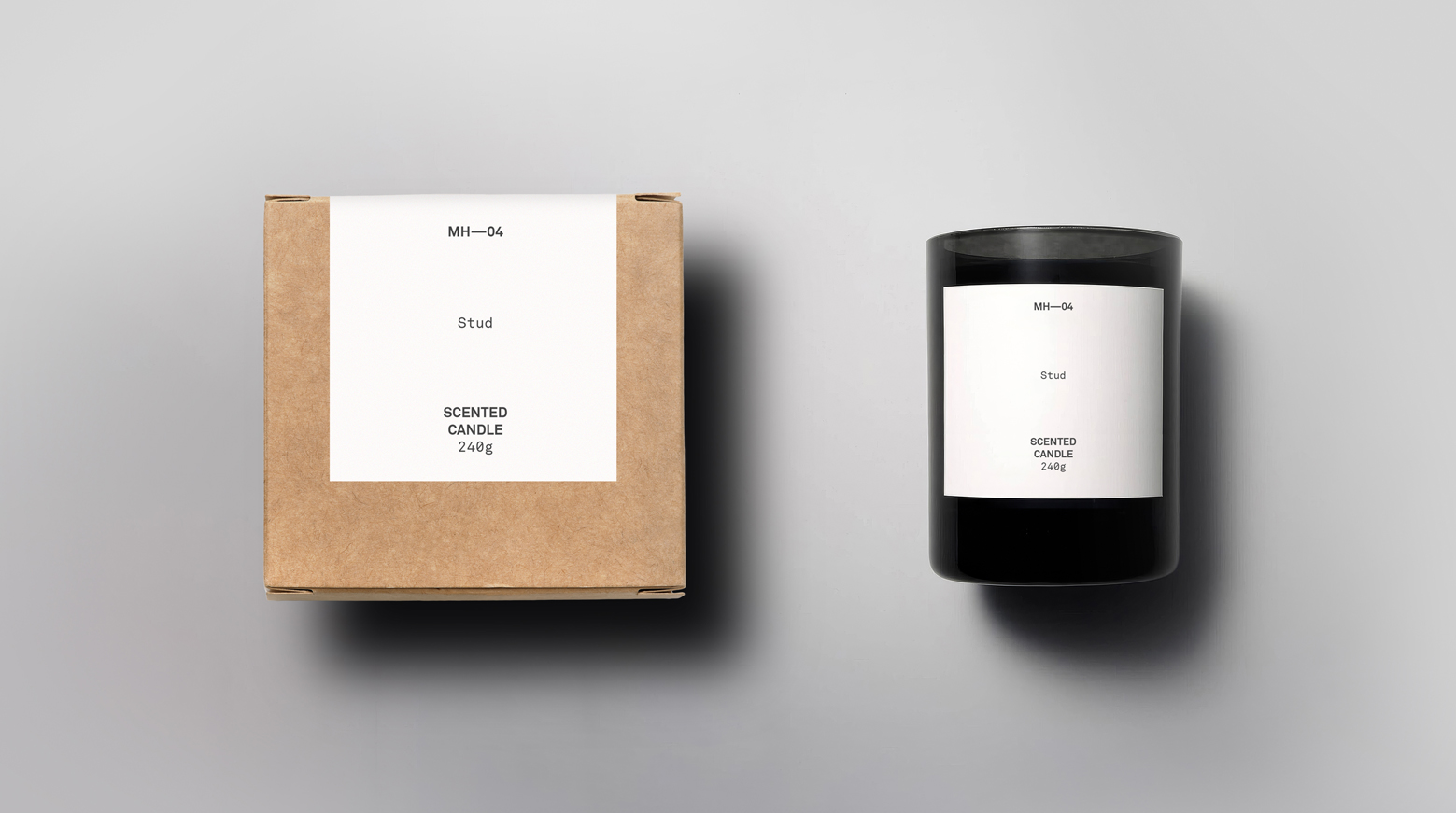
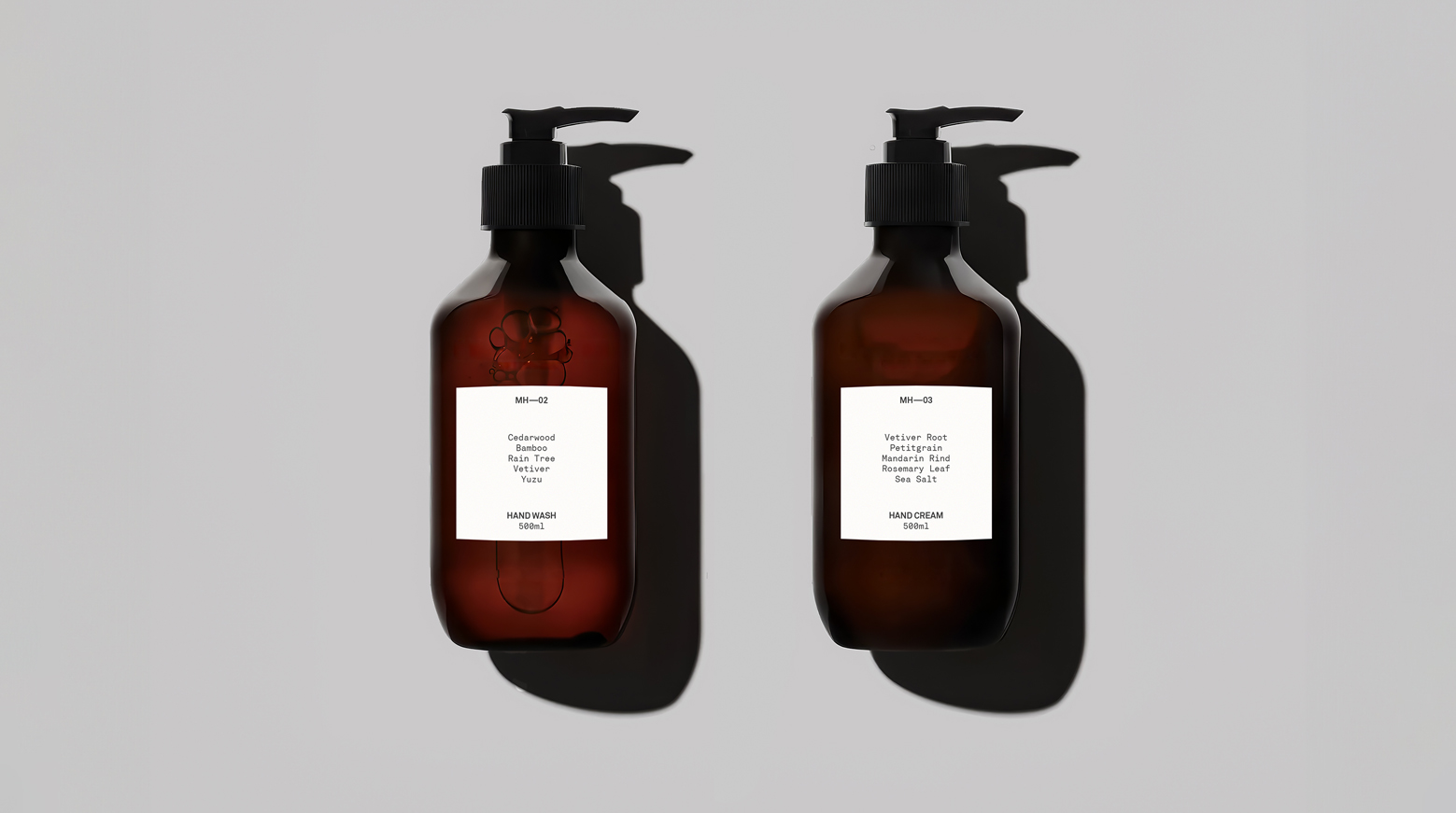
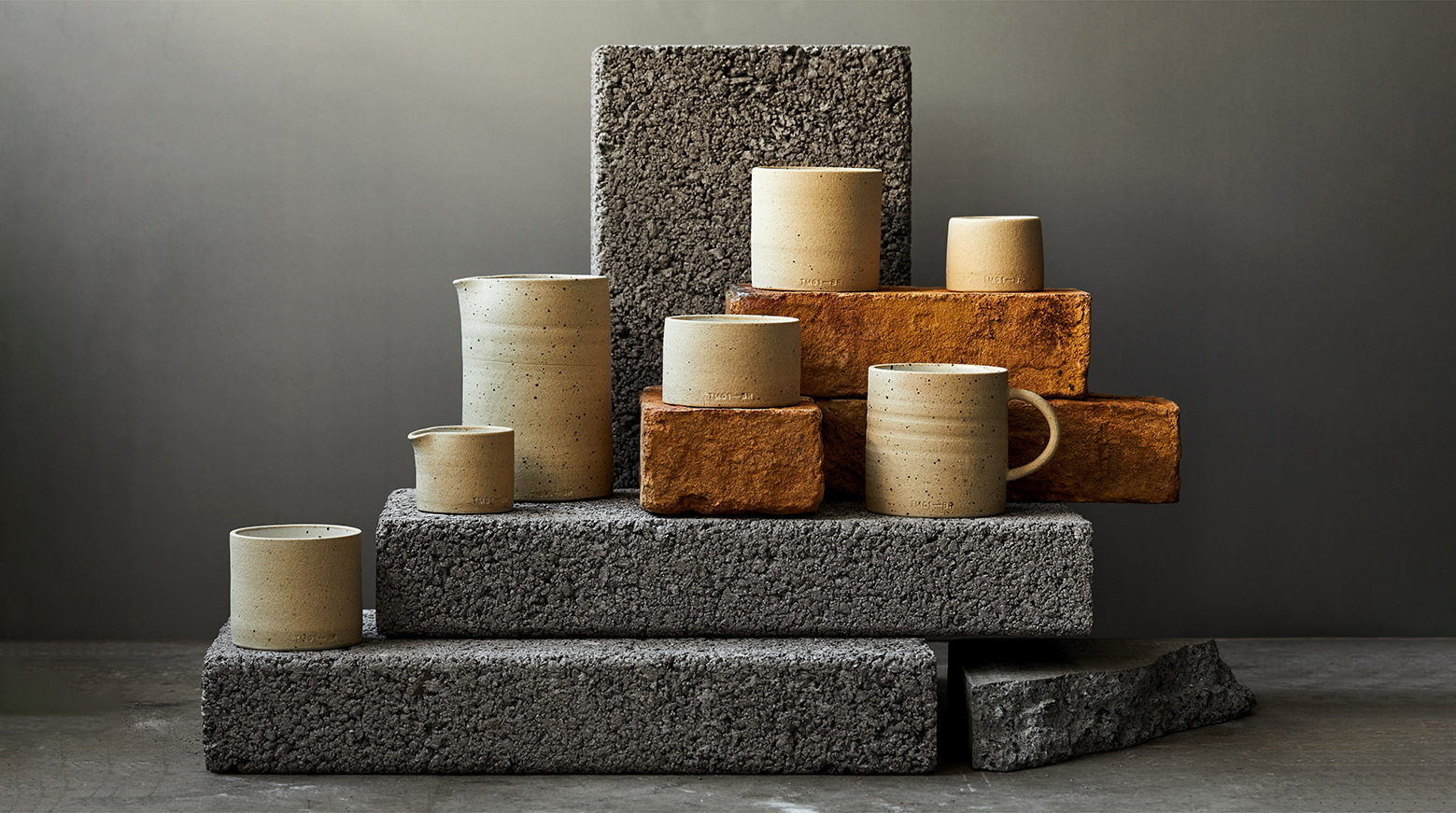

I worked closely with the senior leadership team throughout, creating the overarching creative direction and defining how each new expression of the brand should look and behave. This included producing the initial concept presentations, which were bespoke hardback books, space-planning new buildings with the founder and overseeing architectural and interior schemes.
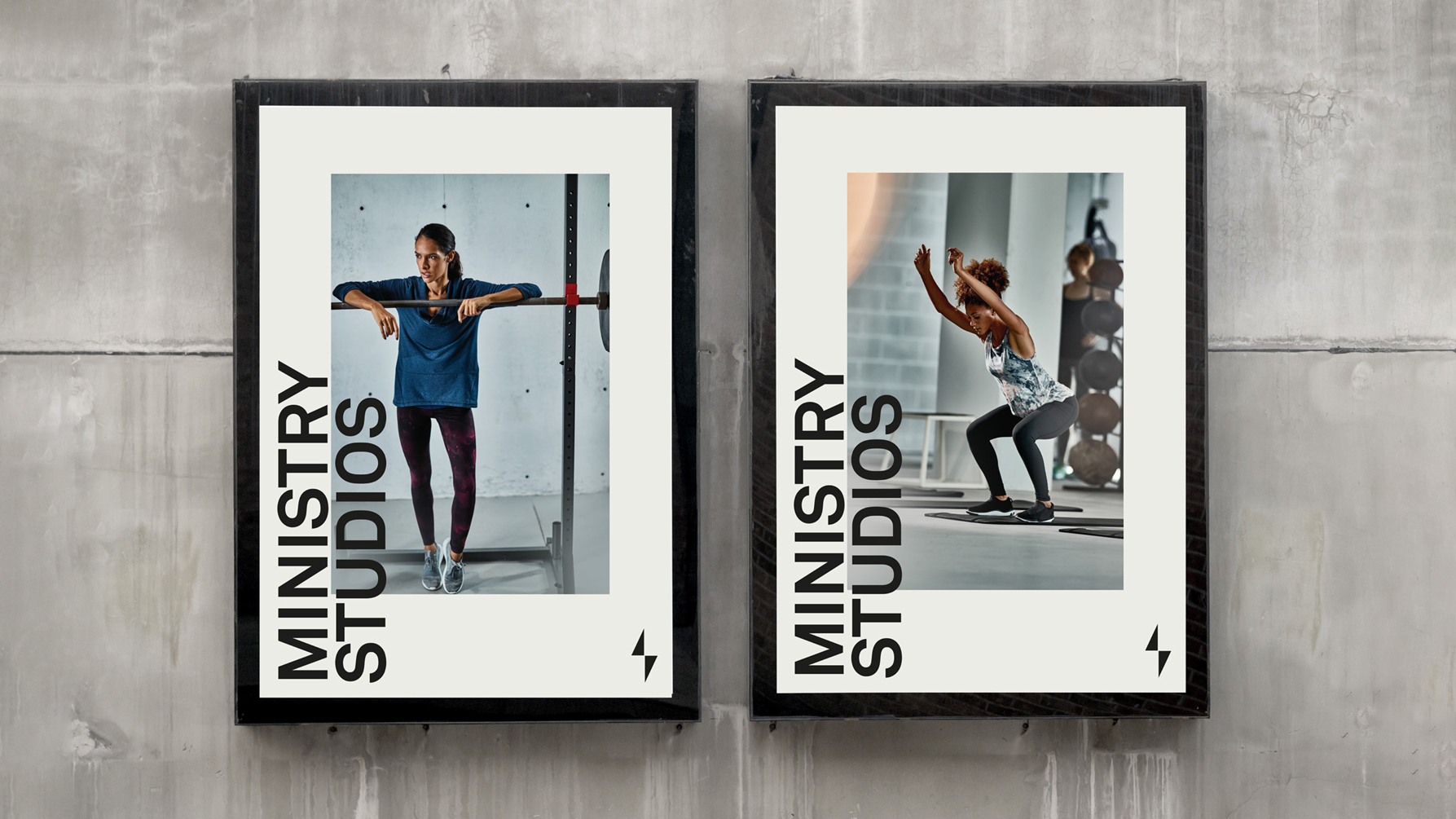
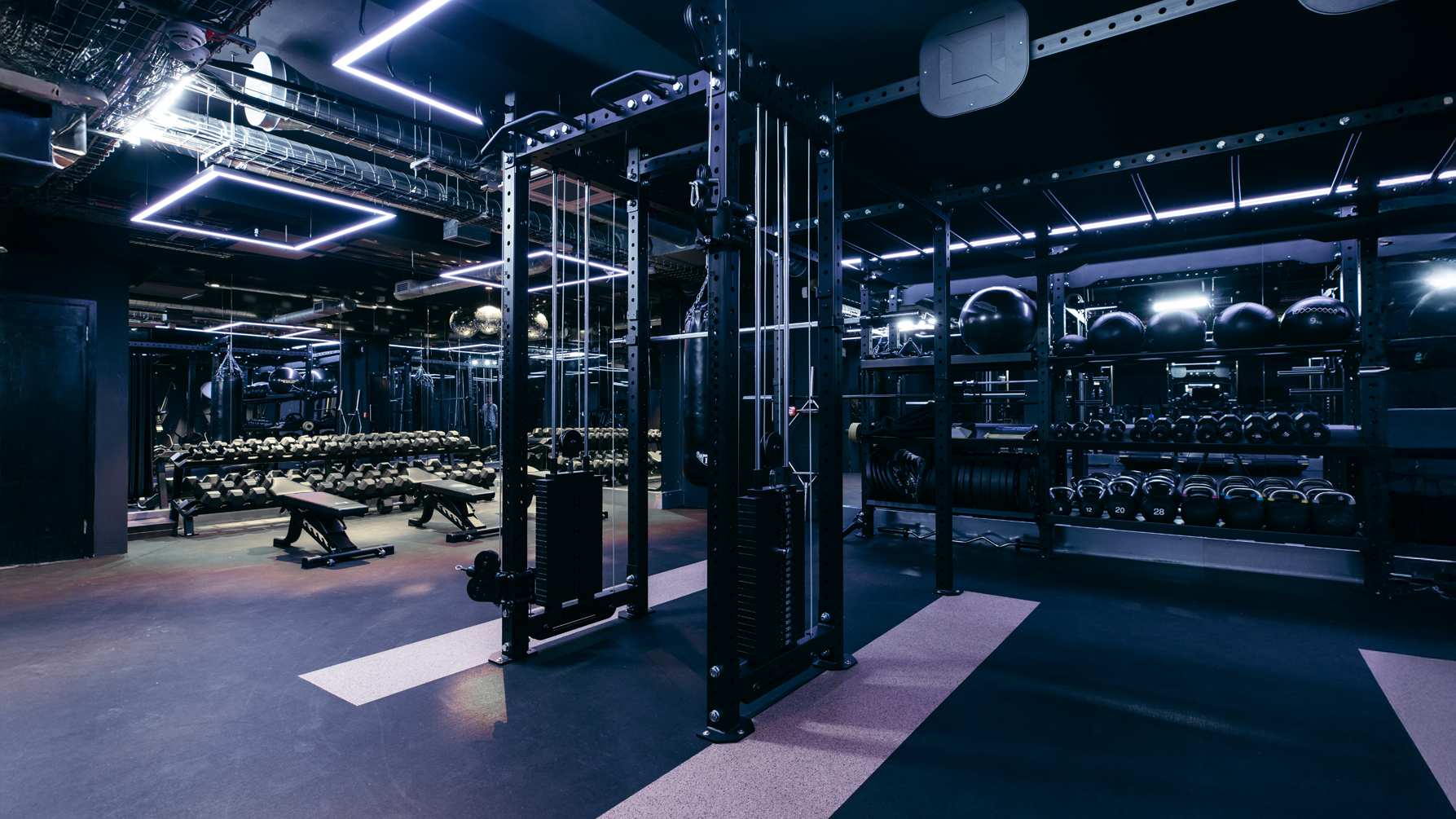
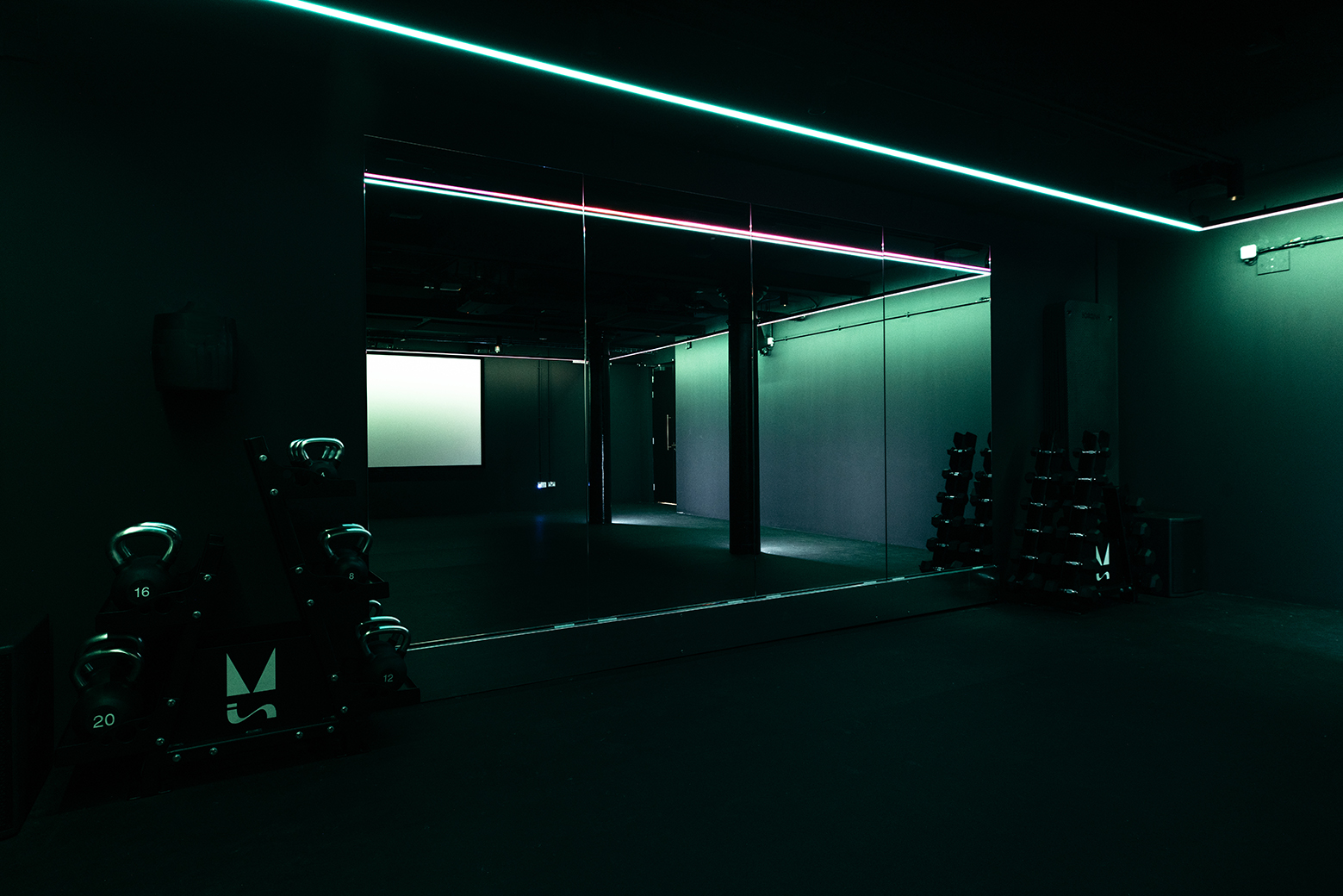


In this phase I also directed a wide network of collaborators. These ranged from Paris-based perfumers and Peruvian artisans to photographers, graphic designers, perfumers, furniture designers, chefs, clothing designers and fitness specialists. Every element was treated as part of a single, connected system.
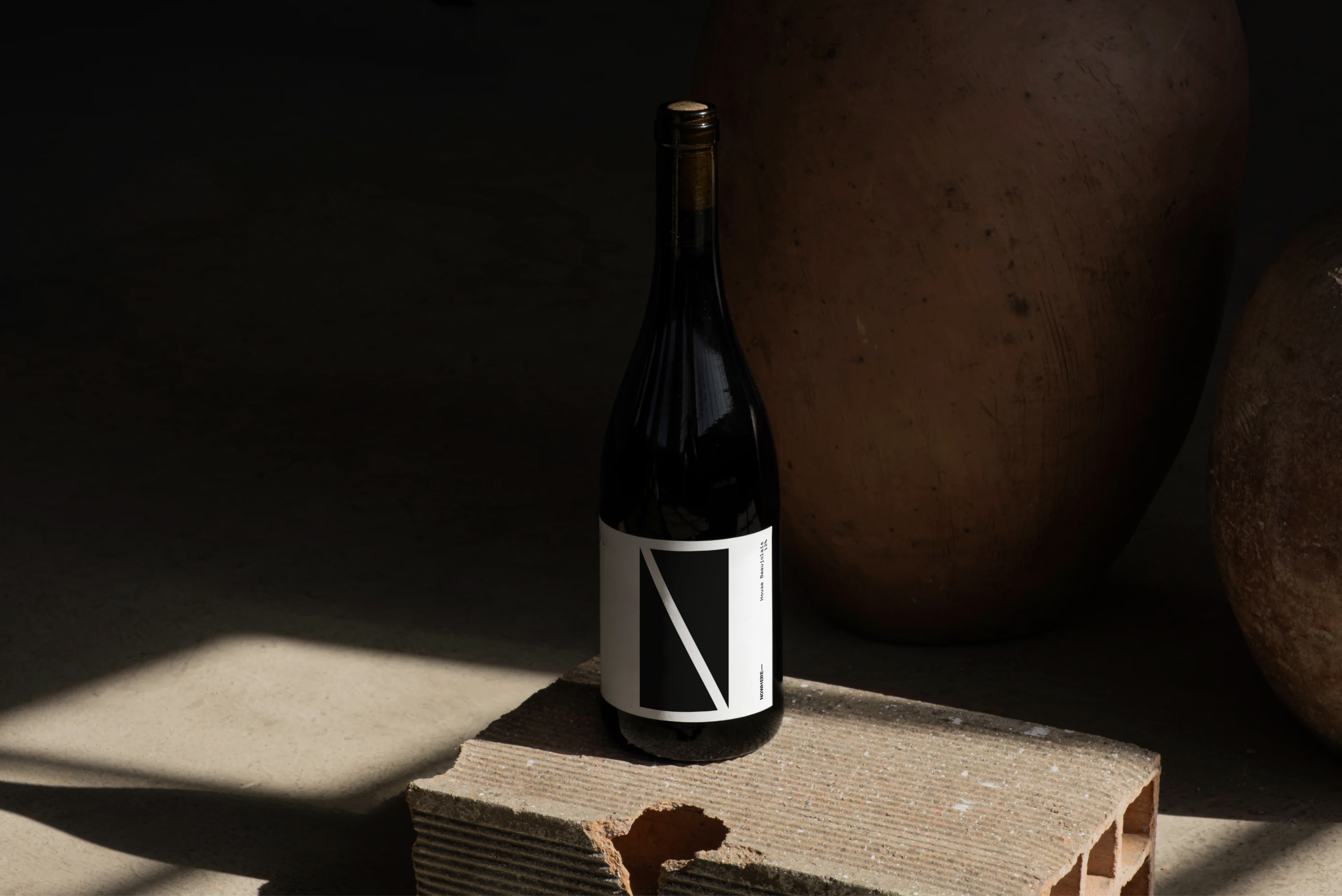
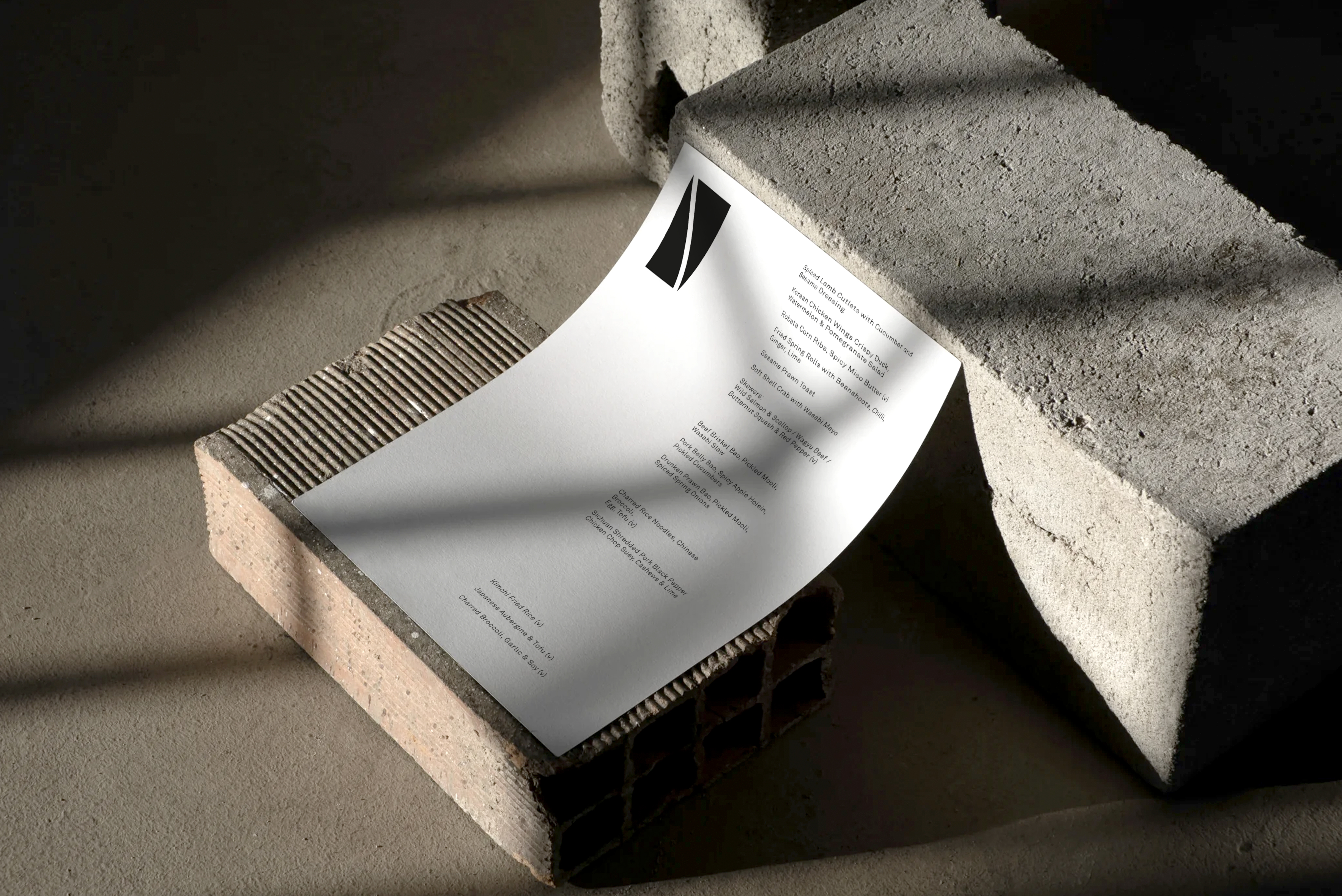


This work reinforced that The Ministry could move forward entrepreneurially, exploring new territories with confidence and certainty, while remaining true to the principles that underpinned its initial success.
